Adderall is one of the most widely prescribed stimulant medicines in the United States, and also one of the most misunderstood. Some people picture it as a “study drug.” Others assume it is only for children who cannot sit still. Neither picture is accurate. This guide explains the real Adderall uses: the conditions it is approved to treat, the ways doctors sometimes use it off-label, the uses it should never be put to, and what to know about safety before a first dose.
The information below is educational. It does not replace a prescriber who knows your history, and it should not be used to start, stop, or change a dose.
Quick Facts: Adderall at a Glance
- What it is: a prescription stimulant made of mixed amphetamine salts.
- FDA-approved for: attention-deficit/hyperactivity disorder (ADHD) and narcolepsy (immediate-release form only for narcolepsy).
- Forms: immediate-release (IR) tablets and extended-release (XR) capsules.
- Legal status: Schedule II controlled substance in the U.S.
- Biggest safety flag: boxed warning for abuse, misuse, and addiction.
- Not approved for: weight loss, studying, fatigue, or athletic performance.
In This Guide
- What is Adderall?
- Approved use #1: ADHD
- Approved use #2: Narcolepsy
- Off-label uses
- What Adderall should not be used for
- How Adderall works
- Adderall IR and XR
- How treatment usually begins
- Who should not take Adderall
- Risks and the boxed warning
- Practical tips for safe use
- Frequently asked questions
What Is Adderall?
Adderall is a brand-name medicine that combines four amphetamine salts in one product: dextroamphetamine saccharate, amphetamine aspartate, dextroamphetamine sulfate, and amphetamine sulfate. Together they form a central nervous system (CNS) stimulant. The mix is roughly three parts dextroamphetamine to one part levoamphetamine-type activity, which is why you will sometimes see it described as “mixed amphetamine salts.”
Stimulants have been used in medicine for decades. Doctors reach for them because, in people with ADHD, they tend to sharpen attention and reduce impulsive behavior rather than simply “revving up” the body. That can sound backwards, and it is one reason the drug is so often misread. For someone whose brain struggles to regulate attention, a stimulant can feel calming and organizing. For someone without ADHD, the same dose can bring jitters, a racing heart, and a risk of dependence.
Adderall is sold as a brand and as many generics. The generic versions contain the same active ingredients and are held to the same standards, so the word “Adderall” in pharmacy conversations often covers both.
Approved Use #1: Attention-Deficit/Hyperactivity Disorder (ADHD)
ADHD is the main reason Adderall exists. The condition is a neurodevelopmental difference that shows up as a persistent pattern of inattention, hyperactivity, impulsivity, or a combination. According to the National Institute of Mental Health, symptoms must be present across more than one setting (home and school, or home and work) and must interfere with daily functioning to qualify for a diagnosis.
What ADHD can look like day to day
ADHD is not simply “being distracted.” Clinicians describe three presentations:
- Predominantly inattentive: missing details, losing items, drifting off mid-conversation, trouble finishing tasks, avoiding work that needs sustained effort.
- Predominantly hyperactive-impulsive: fidgeting, difficulty staying seated, talking over others, acting before thinking.
- Combined: a mix of both patterns.
Symptoms also change with age. A child may run and climb constantly, while an adult with the same condition may feel an inner restlessness, chronic lateness, or a pile of half-finished projects. If you want a closer look at how adults are evaluated and treated, see our companion article on Adderall for adult ADHD.
Who can be prescribed Adderall for ADHD?
The FDA label allows immediate-release Adderall for ADHD in children as young as 3 years old, and extended-release Adderall XR for people 6 and older, including adults. In practice, prescribers usually weigh a child’s age, severity, and family preferences before choosing medication, and they often combine it with behavioral strategies. For preschoolers, behavior therapy for parents is generally the first step before any medicine is discussed.
What the evidence says about effectiveness
Stimulants, including amphetamine-based drugs and methylphenidate, are considered first-line medication therapy for ADHD in guidelines from major medical groups. Large reviews have found that most people with ADHD who try a stimulant see meaningful symptom improvement. Response is individual, however. One person may do well on Adderall, another may do better on methylphenidate, and a third may need a non-stimulant. If you are weighing options, our comparisons of Vyvanse vs Adderall and Ritalin vs Adderall explain how these medicines differ.
Realistic expectations
Medication does not cure ADHD. It reduces symptoms while the medicine is active. Many people describe it as turning down background noise so that skills such as planning, task initiation, and follow-through become easier to use. It does not replace routines, coaching, therapy, or accommodations at school or work, and it will not fix problems with sleep, anxiety, or mood that may be present alongside ADHD.
Approved Use #2: Narcolepsy
Narcolepsy is a chronic sleep disorder in which the brain cannot reliably control sleep-wake cycles. People may experience overwhelming daytime sleepiness, sudden “sleep attacks,” and in some types, cataplexy (a sudden loss of muscle tone, often triggered by strong emotion).
Immediate-release Adderall is FDA-approved to treat narcolepsy. Doses used for sleepiness are often higher than the starting doses used for ADHD, and they are set gradually by a sleep specialist or another experienced clinician. The extended-release capsule (Adderall XR) is not approved for narcolepsy.
Today, many specialists prefer newer wakefulness-promoting medicines for narcolepsy, so Adderall is more commonly used when other options have not worked well or are not suitable. Narcolepsy needs a formal diagnosis, typically involving an overnight sleep study followed by a daytime nap test. Feeling tired is far more often a result of poor sleep, depression, or a medical condition than of narcolepsy.
Off-Label Uses of Adderall
“Off-label” means a doctor prescribes a medicine for a purpose the FDA has not specifically approved. This is legal and common across medicine, but it should rest on evidence and a careful risk-benefit discussion. With Adderall, off-label prescribing is less common than with many drugs, and clinicians tend to be cautious because it is a controlled substance.
Situations where specialists have sometimes considered amphetamines off-label include:
- Treatment-resistant depression (as an add-on): a small number of psychiatrists add a stimulant to an antidepressant when fatigue and low motivation persist. Evidence is limited, and this is not a standard first approach.
- Fatigue linked to certain medical conditions: for example, in some serious illnesses where severe tiredness affects quality of life.
- Cognitive or attention symptoms after brain injury: reviewed on a case-by-case basis.
- Excessive sleepiness in other sleep disorders: when standard treatments are not enough.
If a prescriber raises one of these, ask what evidence supports it, which alternatives exist, how benefit will be measured, and when the plan will be reviewed.
What Adderall Should Not Be Used For
Because Adderall suppresses appetite and boosts alertness, it is sometimes pursued for reasons that carry real risk. These are not legitimate medical uses:
- Weight loss. Adderall is not approved as a diet drug. Appetite suppression is a side effect, not a treatment goal, and weight lost this way often returns when the medicine stops. If appetite changes are a concern for you, read our guide to Adderall and appetite loss.
- Studying or “getting an edge.” Research has not shown that stimulants reliably improve learning or grades in people without ADHD, and using someone else’s prescription is both illegal and risky.
- Staying awake to compensate for too little sleep. Stimulants mask fatigue without repaying the sleep debt, which can raise blood pressure and worsen mood. See our article on Adderall and sleep problems.
- Recreational use or mixing with alcohol. Combining stimulants and alcohol can hide how intoxicated a person is and strain the heart. We cover this in Adderall and alcohol.
Sharing or selling prescription stimulants is a crime. If you need a legal route to treatment, our explainer on how to get prescribed Adderall walks through the evaluation process.
How Adderall Works in the Body and Brain
Adderall increases the activity of two chemical messengers in the brain: dopamine and norepinephrine. Both are involved in attention, motivation, reward, and the ability to filter distractions. Amphetamines raise levels of these messengers in two main ways. They help push more of them out of nerve cells into the gaps between cells, and they slow the “recycling” process that normally pulls them back in.
The brain regions involved, especially the prefrontal cortex, handle planning, working memory, and impulse control. When signaling in these areas becomes more efficient, tasks that demanded intense effort can feel more manageable. We unpack this in more depth in How Adderall works in the ADHD brain.
The same chemistry explains the side effects. Norepinephrine also acts on the heart and blood vessels, which is why heart rate and blood pressure can rise. Dopamine is part of the brain’s reward system, which is why the drug has potential for misuse. For a fuller overview of what to expect, see Adderall side effects.
Adderall IR and Adderall XR: Which Form Is Used for What?
The two forms contain the same ingredients but release them differently, which affects how a day of treatment is structured.
| Feature | Adderall IR | Adderall XR |
|---|---|---|
| Format | Tablet | Capsule with beads (can be opened and sprinkled on soft food) |
| Typical duration | About 4 to 6 hours | Up to roughly 10 to 12 hours |
| Usual schedule | Once to a few times daily | Once each morning |
| Approved for ADHD | Ages 3 and up | Ages 6 and up, including adults |
| Approved for narcolepsy | Yes | No |
Doctors may choose IR when they want fine control over timing, for instance for a short school day or when titrating to the right dose. XR is often preferred for convenience and smoother coverage. Our dedicated article on Adderall IR vs XR compares onset, duration, and dosing schedules in detail.
How Treatment Usually Begins
1. A thorough evaluation
A diagnosis should not rest on a single questionnaire or a ten-minute visit. A careful evaluation usually includes a symptom history, rating scales, input from family members or teachers when possible, a review of sleep, anxiety, depression, and substance use, and a medical history that covers the heart. Several conditions mimic ADHD, including sleep apnea, thyroid disease, anxiety, and learning differences.
2. Starting low and adjusting slowly
Prescribers typically begin with a low dose and raise it in small steps, often weekly, until symptoms improve without troublesome side effects. The FDA label describes starting doses for adults and children and an upper range that depends on the condition. Your clinician sets the numbers; never adjust them on your own.
3. Monitoring
Expect follow-up visits to check how well the medicine works, track height and weight in children, measure blood pressure and pulse, and ask about sleep, appetite, mood, and any misuse concerns. Controlled-substance rules mean that refills often require a new prescription each month, and some states require pharmacy-record checks. Pharmacy supply problems can complicate this, which we discuss in our guide to the Adderall shortage.
4. Periodic reviews
Needs change. Many clinicians review the plan at least once a year, sometimes with a planned break in children to see whether medication is still needed. Adults may keep taking it long term if it continues to help.
Who Should Not Take Adderall, or Should Take It Only With Close Supervision
Certain conditions make a stimulant unsafe or call for extra caution. Tell your prescriber if any of these apply:
- Serious heart problems or structural heart abnormalities, uncontrolled or moderate-to-severe high blood pressure, or advanced arteriosclerosis. Read more in Adderall and heart health.
- Taking an MAOI antidepressant, or having taken one within the previous 14 days. This combination can trigger a dangerous spike in blood pressure.
- Overactive thyroid (hyperthyroidism) or glaucoma.
- A history of drug or alcohol misuse. Treatment may still be possible but needs tighter monitoring and often a non-stimulant alternative is considered first.
- Psychiatric conditions such as bipolar disorder, psychosis, or severe anxiety, because stimulants can worsen symptoms.
- Tics or Tourette syndrome, which may worsen.
- Known sensitivity to amphetamines.
- Pregnancy or breastfeeding, which requires an individual risk-benefit discussion. See Adderall during pregnancy and breastfeeding.
Many other prescriptions, over-the-counter products, and supplements can interact with Adderall. Before you start, review the full list in our article on Adderall drug interactions.
Risks and the Boxed Warning
The FDA requires a boxed warning, its strongest, on prescription stimulants. The current wording states that these medicines have a high potential for abuse and misuse, which can lead to the development of a substance use disorder, including addiction, and that misuse and abuse can result in overdose and death. This is one reason Adderall is a Schedule II controlled substance under the Drug Enforcement Administration’s scheduling system.
The warning does not mean that everyone who takes Adderall as prescribed will develop a problem. People who take it exactly as directed for ADHD have a much lower risk than people who use it without a prescription, crush it, or combine it with other substances. But it does mean you should treat the medicine with respect:
- Keep it in a secure place and count your supply. Our guide on how to store and safely dispose of Adderall explains how.
- Never share it, even with a friend or family member who “has the same thing.”
- Report any urge to take more than prescribed.
Side effects worth knowing
Common effects include reduced appetite, dry mouth, trouble sleeping, headache, stomach upset, irritability, and a faster heartbeat. Less common but serious problems include chest pain, fainting, signs of psychosis (such as hearing voices), and circulation problems in the fingers and toes. Some people feel a wave of fatigue or low mood as the dose wears off; that pattern is covered in Adderall crash. Seek urgent medical care for chest pain, shortness of breath, fainting, a seizure, or thoughts of harming yourself or others.
Practical Tips for Using Adderall Safely
- Take it the way it was prescribed. Morning dosing is common because late doses can interfere with sleep. Your prescriber will advise on timing.
- Swallow XR capsules whole, or open them and sprinkle the beads on a spoonful of applesauce as the label allows. Do not crush or chew the beads.
- Plan meals. Eat a proper breakfast before the medicine reaches full effect and schedule calorie-dense snacks later in the day.
- Hydrate and watch caffeine. Coffee and energy drinks can amplify jitters and heart-rate effects.
- Skip alcohol, or at minimum talk with your clinician before drinking.
- Track your response. A simple log of focus, mood, sleep, appetite, and any palpitations helps your prescriber fine-tune treatment.
- Know the missed-dose plan. Our guide to what to do after a missed dose of Adderall explains why doubling up is not the answer.
- Be upfront about everything you take, including supplements and cannabis.
How Long Does Adderall Stay in the Body?
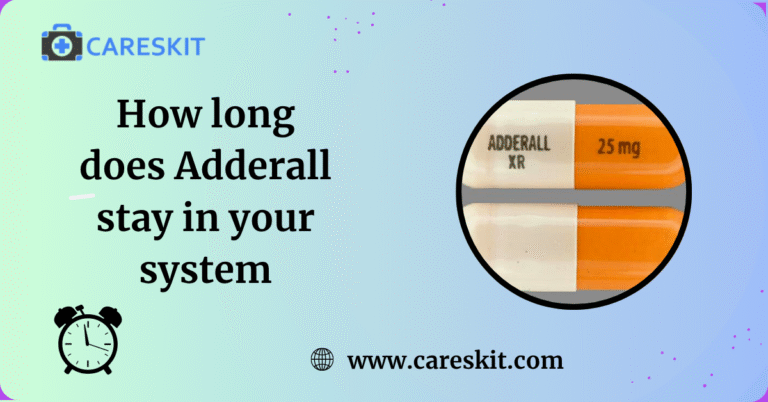
Adderall’s effects last hours, but it can be detected much longer on certain tests. The time depends on the test type, dose, your metabolism, and urine acidity. We explain the timelines in how long Adderall stays in your system.
Non-Stimulant and Other Options if Adderall Is Not Right for You
If Adderall is a poor fit, because of side effects, heart concerns, or a history of misuse, clinicians have alternatives:
- Methylphenidate-based stimulants (for example Ritalin and Concerta), which act somewhat differently. See our Ritalin vs Concerta comparison.
- Lisdexamfetamine (Vyvanse), a longer-acting amphetamine prodrug.
- Non-stimulants such as atomoxetine, viloxazine, guanfacine ER, and clonidine ER, which are not controlled substances but may take longer to work.
- Behavioral and skills-based therapies such as cognitive behavioral therapy for adults with ADHD, parent training, coaching, and school or workplace accommodations.
Frequently Asked Questions About Adderall Uses
What is Adderall mainly prescribed for?
Adderall is mainly prescribed for ADHD in children, teens, and adults. It is also approved for narcolepsy, using the immediate-release form.
Is Adderall approved for anxiety or depression?
No. It is not approved for either, and stimulants can make anxiety worse. Rarely, a specialist may add one to an antidepressant for treatment-resistant depression, but that is off-label and not routine.
Can Adderall help people who do not have ADHD focus better?
It may make a person feel more alert, but studies have not shown it reliably improves learning or complex thinking in people without ADHD, and the risks are real. Using it without a prescription is illegal.
Does Adderall work right away?
IR tablets usually begin to work within an hour; XR begins gradually. It can take a few weeks of dose adjustments to find the right balance, so early impressions are not final.
Is Adderall addictive?
It has a high potential for misuse and dependence, especially when taken without a prescription or in larger amounts than directed. Taking it as prescribed under supervision lowers that risk but does not remove it entirely.
Is Adderall safe for children?
It is FDA-approved for children, and when monitored properly many children benefit. Doctors track growth, appetite, sleep, and heart health, and they often pair medicine with behavioral support.
Can adults be newly diagnosed and prescribed Adderall?
Yes. Many adults are first diagnosed after their own child is evaluated or after years of struggling at work. A full evaluation is required, and symptoms must have begun in childhood.
Is Adderall the same as Vyvanse?
No. Both are amphetamine-based, but Vyvanse is a prodrug that is converted to its active form in the body, which changes onset and duration. Compare them in our Vyvanse vs Adderall guide.
The Bottom Line
Adderall has two FDA-approved uses, ADHD and narcolepsy, and a small set of carefully supervised off-label uses. It works by boosting dopamine and norepinephrine signaling, which can be life-changing for people with ADHD and risky for everyone else. Used with a proper diagnosis, a sensible dose, regular monitoring, and safe storage, it is a well-studied and effective tool. If you think you or your child may benefit, start with a qualified clinician rather than an online shortcut, and bring a full list of your medicines and health conditions to that first visit.
Sources and Further Reading
- NIMH: Attention-Deficit/Hyperactivity Disorder
- CDC: ADHD
- MedlinePlus: Dextroamphetamine and Amphetamine
- DailyMed: official FDA prescribing information (search “Adderall”)
- DEA Diversion Control: Controlled Substance Schedules
Medical disclaimer: This article is for general education and is not medical advice, diagnosis, or treatment. Always talk with a licensed healthcare professional about your own situation. If you have a medical emergency, call your local emergency number right away.