Viagra vs. Levitra: Differences, Effectiveness, Side Effects, and Which May Be Better for You

Erectile dysfunction (ED) is more common than many men realize. It affects men of all ages, though the risk rises over time. The good news is that ED is treatable, and for many men the first treatment doctors consider is a PDE5 inhibitor, a class of oral prescription medications that improve blood flow to the…
Ambien vs. Restoril: How Are These Sleep Medicines Different?

Trouble falling or staying asleep can affect your mood, focus, and health. When lifestyle changes aren’t enough, doctors sometimes prescribe a short-term sleep medication. Two commonly discussed options are Ambien (zolpidem) and Restoril (temazepam). Both are prescription sedative-hypnotics, both are controlled substances, and both are meant for short-term use. They belong to different drug classes,…

Restoril vs. Lunesta: Differences, Side Effects, Dosage and Safety Guide

Imagine lying in bed at 1:00 a.m., watching the minutes tick by while your alarm is getting closer. You finally fall asleep, only to wake up a few hours later and start the same cycle again. After several nights like this, you may wonder whether a prescription sleep medicine such as Restoril or Lunesta could…

Meridia vs. Phentermine: Differences, Safety, Side Effects and Availability

People searching “Meridia and phentermine” usually have one of three reasons. They remember an old prescription, they saw a product online that claims to contain sibutramine, or they are comparing prescription appetite suppressants before talking to a doctor. This guide gives a clear, source-based comparison and states plainly which of the two is still a…

Phentermine vs. Reductil (Sibutramine): Differences, Safety and Withdrawal Explained

Phentermine is a short-term appetite suppressant that stimulates the release of norepinephrine in the brain. Reductil, whose active ingredient is sibutramine, blocked the reuptake of serotonin and norepinephrine and was approved for longer-term use. Reductil was withdrawn in the US, EU, Canada, Australia, India, China and many other countries after a large trial found a…

Methadone vs Oxycodone: Key Differences & Safety Guide

Methadone and oxycodone are both full opioid agonists, but they are not interchangeable. Oxycodone is a shorter-acting painkiller used for pain severe enough to need an opioid. Methadone is long-acting and is used both for severe pain and for treating opioid use disorder (OUD). On a milligram basis methadone can be more potent, but the…

Methadone vs. Tramadol: Differences, Uses, Risks and Safety Guide

Methadone and tramadol are both opioid medicines, but they are not interchangeable. Methadone is a long-acting, full opioid agonist used for moderate-to-severe pain and for treating opioid use disorder (OUD). Tramadol is a weaker opioid with an added effect on serotonin and norepinephrine, used for moderate to moderately severe pain. Methadone is generally the stronger…

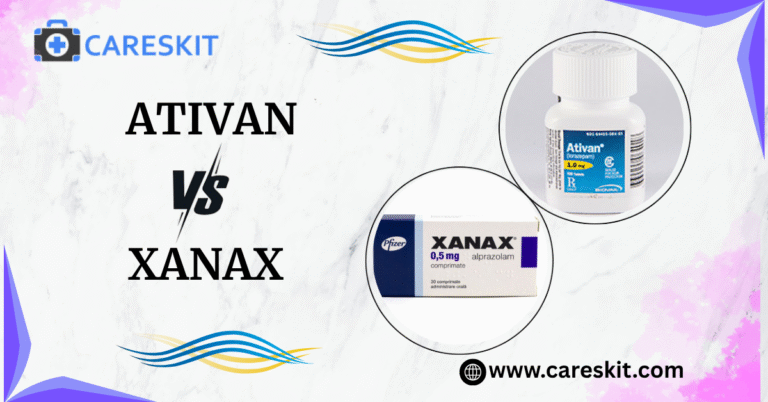
Ativan vs Xanax –  Guide to Choosing the Best Anxiety Treatment

Ativan vs Xanax – Guide to Choosing the Best Anxiety Treatment

Ativan( lorazepam) and Xanax( alprazolam) are two benzodiazepine trade names used for the treatment of anxiety complaints, wakefulness, muscle spasms, and phobias. They work by affecting the neurotransmitters in the brain and produce relief from anxiety. These specifics are analogous in numerous ways, but they’ve unique characteristics, such as energy, medium of action, onset time,…

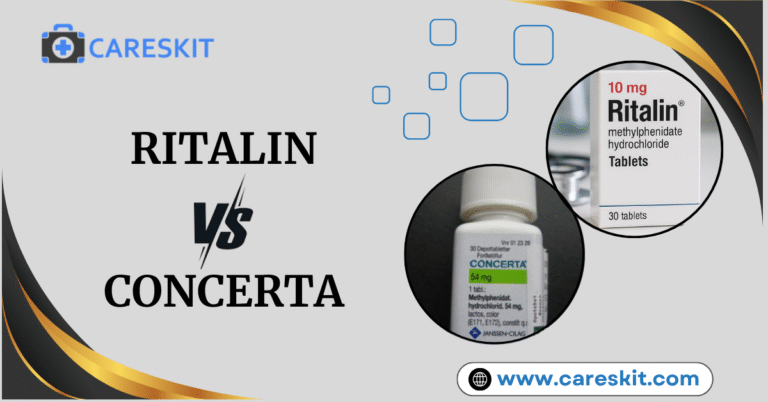
Ritalin vs Concerta: Understanding How Each ADHD Drug Works

Ritalin vs Concerta: Understanding How Each ADHD Drug Works

Ritalin and Concerta are both prescription drugs and CNS stimulants that are used to treat ADHD and narcolepsy. Both medications work on brain chemicals and nerves that assist in regulating impulse and creating therapeutic benefits. Both conditions impact millions of children and adults globally and are characterized by persistent hyperactivity and impulsivity that disrupts day-to-day…

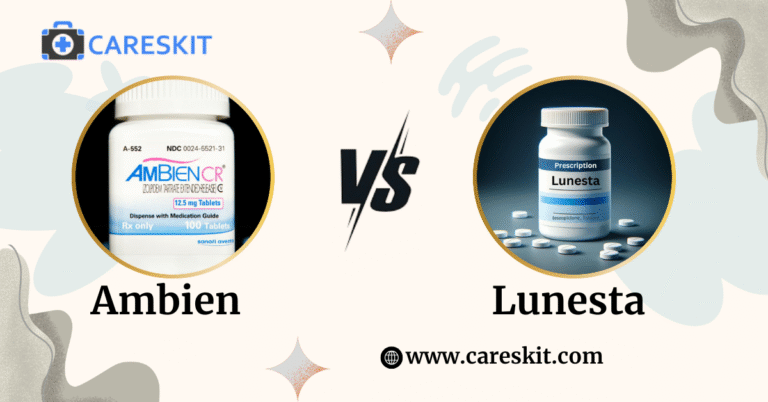
Ambien vs Lunesta: A Clinical Comparison for Insomnia

Ambien vs Lunesta: A Clinical Comparison for Insomnia

If you are working with a prescription sleep medicine, Ambien and Lunesta are two of the most commonly used drugs for insomnia(sleeping difficulty). Both drugs fall under the category of the non-benzodiazepine sedative-hypnotic drug class, and it is intended to control sleeping problems and reduce sleep-related risk. Although both drugs are Schedule IV controlled substances…