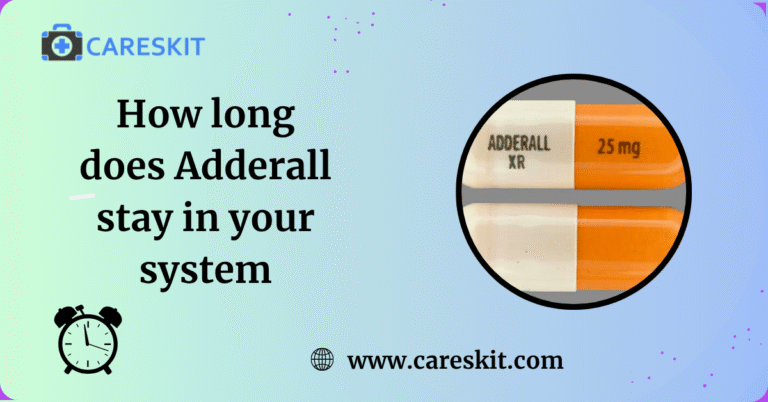
Can Adderall make anxiety worse? Yes, it can for some people. Because Adderall is a stimulant, it can push the body toward a revved-up state that feels a lot like nervousness. Yet for many people with ADHD, the link between Adderall and anxiety runs the other way: once scattered thoughts settle and tasks finally get done, day-to-day worry often eases. Which way it goes depends on the person, the dose, the timing, and whether a separate anxiety disorder is in the picture.
This guide answers the most common questions about Adderall and anxiety in plain language. It starts with the brain chemistry, then helps you sort out what kind of anxiety you might be feeling and what a prescriber can do about it.
Medical safety note: This article is educational and does not replace advice from your prescriber or pharmacist. Never change, stop, or adjust a prescription stimulant on your own.
Quick Answer
- Adderall raises norepinephrine and dopamine. Norepinephrine is also a key player in the body’s fight-or-flight response, so a racing heart and restlessness can follow.
- Anxiety and nervousness are listed side effects on the FDA label, but they don’t affect everyone.
- ADHD and anxiety disorders often occur together. Pooled trial data in children suggest stimulants are more likely to lower reported anxiety than raise it.
- Timing matters. Some people feel edgy at peak levels, while others feel low or tense as the dose wears off.
- Prescribers have many options, including timing changes, a different formulation, methylphenidate, non-stimulants, and therapy.
In This Guide
- How Adderall affects the brain’s alarm system
- Which kind of anxiety is it?
- What the research shows
- Who is more likely to feel anxious
- Anxiety across the dose day
- Options a prescriber may consider
- When anxiety signals something urgent
- Calming techniques for the moment
- FAQ
Why Can Adderall Cause Anxiety? The Brain’s Alarm System Explained
Adderall is a blend of amphetamine salts. Its main job is to raise the levels of two chemical messengers in the brain: dopamine and norepinephrine. It does this by prompting nerve cells to release more of them and by slowing how quickly they are cleared away. For people with ADHD, that boost can sharpen focus, improve follow-through, and reduce impulsive behavior. You can read more about approved uses in our overview of what Adderall is prescribed for.
Dopamine: motivation and reward
Dopamine helps the brain decide what is worth paying attention to. It also links effort with a sense of reward. When dopamine signaling works better, boring but necessary tasks become easier to start and finish. Too much stimulation of this system, however, can show up as restlessness, irritability, or a “wired” feeling.
Norepinephrine: the fight-or-flight overlap
Norepinephrine is where the anxiety story really begins. In the brain, it supports alertness and attention. In the body, the same chemical family drives the stress response. When you face a threat, norepinephrine and its close relative adrenaline speed your heart, tighten your muscles, and sharpen your senses.
Because Adderall turns up this system, it can create physical sensations that overlap with fear. Your heart beats faster, your hands may shake slightly, your mouth gets dry, and you may feel keyed up. The FDA label notes that amphetamine products raise average heart rate and blood pressure, which is part of the same picture.
When body signals become anxious thoughts
Here’s the tricky part. The brain constantly reads signals from the body. If it notices a pounding heart, it may assume something is wrong and start hunting for a reason to worry. That loop is why some people feel anxious on a stimulant even when nothing stressful is happening. The sensation comes first, and the worried thoughts follow.
People who already notice body sensations closely, such as those with panic disorder, may be especially sensitive to this loop. On the other hand, someone whose anxiety mostly comes from missed deadlines and chaos may find that better focus quiets their worry.
Is It Adderall Anxiety, ADHD, or an Anxiety Disorder?
Not all anxiety on Adderall has the same cause. Sorting out the source helps you and your prescriber choose the right fix. The table below compares four common patterns. It isn’t a diagnostic tool, but it can help you describe what you’re feeling more clearly.
| Pattern | What it often feels like | Typical timing | Common clues |
|---|---|---|---|
| Stimulant jitters | Shaky hands, racing heart, restlessness, dry mouth, feeling “too on” | Usually as the dose kicks in or near peak effect | Mostly physical; may be worse with caffeine or a higher dose; often fades as the body adjusts |
| Anxiety disorder | Ongoing worry, dread, muscle tension, panic attacks, avoidance | Present on and off medication, often for months or years | Was there before treatment; shows up on weekends or skipped-dose days too |
| ADHD-driven anxiety | Stress about forgetting, falling behind, or being late; overwhelm | Tied to tasks, deadlines, and disorganization | Often improves when ADHD symptoms are better controlled |
| Rebound or crash anxiety | Irritability, low mood, tension, fatigue, tearfulness | As the dose wears off, often late afternoon or evening | Follows a daily pattern; may ease with timing or formulation changes |
Many people have more than one pattern at once. For example, a person might have a long-standing anxiety disorder plus a few jittery hours after each dose. Tracking your symptoms for a week or two can make these patterns easier to spot.
A simple symptom log
Jot down the time you took your medicine, any caffeine, meals, sleep the night before, and when anxiety showed up. Rate it from 1 to 10. Also note whether you felt it in your body, your thoughts, or both. Bring this log to your next appointment. It gives your prescriber far more to work with than “I’ve been feeling anxious.”
Adderall and Anxiety: What the Research Shows
The science on this topic is more reassuring than many people expect, though it has limits. Here is what the evidence supports about Adderall and anxiety so far.
ADHD and anxiety often travel together
The National Institute of Mental Health notes that ADHD often co-occurs with other conditions, including anxiety and depression, and that this overlap can make both diagnosis and treatment harder. The Anxiety and Depression Association of America estimates that about half of adults with ADHD also have an anxiety disorder. In other words, many people who feel anxious on Adderall may have had anxiety before they ever started it.
What the label says
In adult clinical trials of Adderall XR, anxiety was reported by 8% of people taking the medicine compared with 5% taking a placebo. Nervousness was reported at the same rate, about 13%, in both groups. Insomnia, by contrast, was much more common on the medicine. These numbers show that anxiety is a real but fairly uncommon side effect in trials, and that some nervousness happens even without the drug.
Can treating ADHD lower anxiety?
A 2015 meta-analysis in the Journal of Child and Adolescent Psychopharmacology pooled 23 placebo-controlled trials involving nearly 3,000 children with ADHD. Children taking stimulants were actually somewhat less likely to report anxiety than those on placebo. Higher doses were linked with lower anxiety risk, not higher.
There are important caveats. The reduction was clearest for methylphenidate. For amphetamine products like Adderall, anxiety rates were about the same as placebo, neither better nor worse. The study also looked at children, not adults, and the authors stressed that some individuals still do get more anxious on stimulants. So the best summary is this: stimulants don’t cause anxiety for most people, but they can for some.
Why it can go both ways: Stimulants can add physical arousal, which may feel like anxiety. At the same time, they can remove a major source of stress by helping people stay organized and on track. Which effect wins out differs from person to person.
Who Is More Likely to Feel Anxious on Adderall?
Certain factors make the connection between Adderall and anxiety stronger for some people. None of them automatically rule out treatment, but they are worth discussing before and during care.
- A history of anxiety or panic disorder. People who are already sensitive to body sensations may notice stimulant effects more strongly.
- High caffeine intake. Coffee, energy drinks, and pre-workout powders add more stimulation on top of the medicine. Our guide to combining Adderall and caffeine covers this in detail.
- Short or poor sleep. Sleep loss makes the brain’s threat system more reactive. Insomnia from the medicine can then feed next-day anxiety.
- A dose that’s higher than you need. Prescribers aim for the lowest dose that works. When the dose is too high, overstimulation becomes more likely.
- Bipolar disorder or a family history of it. The label warns that stimulants can trigger manic or mixed episodes in people at risk, so screening matters.
- Other medicines. Some drugs interact with amphetamine or add to its effects. Check our list of Adderall drug interactions and ask your pharmacist about anything new.
- Using Adderall without a prescription. People who take it without medical oversight often take doses that aren’t matched to their needs. Our article on study-drug misuse on campus explains the risks.
Thyroid problems, heart rhythm issues, and alcohol or substance use can also cause or worsen anxiety symptoms. That’s one reason a prescriber may ask about your full health history, not just your mood.
When Does Adderall Anxiety Show Up? Patterns Across the Dose Day
Anxiety linked to a stimulant often follows the medicine’s rise and fall in the body. Immediate-release tablets act faster and wear off sooner. Extended-release capsules release the drug in stages, which can smooth the curve. Here are the patterns people most often describe.
As the dose takes effect
The first hour or two can bring a surge of energy. For some, this feels like focus. For others, it feels like a racing motor. Adding coffee at the same time, or taking the medicine on an empty stomach, may make this phase more intense for certain people.
Around peak levels
When the medicine is strongest, heart rate and blood pressure tend to be highest too. People who feel jittery at peak may notice tight shoulders, a clenched jaw, or a feeling that they can’t sit still. Some describe hyperfocus that tips into worry, like rechecking an email ten times.
The wear-off window
As levels drop, some people feel a “crash.” It can include irritability, low mood, tiredness, and a jumpy, on-edge feeling. This is sometimes called rebound. It tends to arrive in the late afternoon or evening, which is often when family, homework, or chores pile up. If you notice this daily, tell your prescriber. Our article on Adderall withdrawal symptoms covers the bigger version of this effect when someone stops the medicine.
At night
Because insomnia is one of the most common side effects, a dose that lasts too long can leave you lying awake with racing thoughts. Poor sleep then sets the stage for a more anxious next day. The narcolepsy dosing section of the Adderall label specifically advises avoiding late evening doses because of sleep problems, which shows how closely timing and sleep are linked.
| Phase | What some people notice | What to tell your prescriber |
|---|---|---|
| Onset | Surge of energy, faster heartbeat, butterflies | How soon it starts and whether caffeine was involved |
| Peak | Restlessness, tension, overthinking | How long it lasts and how intense it feels |
| Wear-off | Irritability, low mood, edginess | The time of day it hits and how it affects home or work |
| Night | Trouble falling asleep, racing thoughts | Bedtime, wake time, and total sleep |
Options a Prescriber May Consider
If anxiety is getting in the way, there is usually more than one path forward. A prescriber will weigh your symptoms, health history, and goals. The options below are discussion points, not instructions. Please don’t change your medicine without talking to the person who prescribes it.
Revisiting the dose and timing
Sometimes the simplest fix works. A prescriber may lower the dose, adjust when it’s taken, or change how doses are spread across the day. The goal is the smallest effective amount, timed so that its effects line up with your needs and fade before bedtime. These changes need medical guidance, because the right adjustment depends on your body, your schedule, and the product you take.
Switching the formulation
Some people do better on an extended-release product because it avoids sharp peaks and drops. Others prefer immediate-release because it wears off sooner. Prodrug options like lisdexamfetamine release the active drug more gradually. Our comparison of Vyvanse vs Adderall explains how these differ.
Trying methylphenidate
Methylphenidate is the other main stimulant family, sold under names like Ritalin and Concerta. It works a little differently from amphetamine. In the 2015 meta-analysis mentioned earlier, methylphenidate was the stimulant most clearly linked to lower anxiety in children. That doesn’t guarantee a better result for you, but it’s a reasonable option to discuss. See our breakdown of Ritalin vs Adderall for more.
Non-stimulant ADHD medicines
For people who can’t tolerate stimulants, several non-stimulant options exist. Each has its own benefits, side effects, and warnings.
| Medicine | Brand example | How it’s thought to work | Key points to discuss |
|---|---|---|---|
| Atomoxetine | Strattera | Selective norepinephrine reuptake inhibitor | Approved for children and adults; boxed warning about suicidal thoughts in young people; takes time to reach full effect |
| Viloxazine extended-release | Qelbree | Thought to block norepinephrine reuptake; also acts on a serotonin receptor | Approved for ages 6 and up, including adults; boxed warning about suicidal thoughts; interacts with some drugs processed by the liver enzyme CYP1A2 |
| Guanfacine extended-release | Intuniv | Alpha-2A agonist that calms certain nerve signals | Approved for children and teens, alone or added to a stimulant; can lower blood pressure and cause drowsiness |
| Clonidine extended-release | Kapvay | Alpha-2 agonist | Similar calming effect; drowsiness and blood pressure changes are common concerns |
Non-stimulants usually take longer to work than stimulants, and they are not controlled substances like Adderall. Some prescribers also add a non-stimulant to a lower stimulant dose to balance focus and calm.
Treating the anxiety directly
When a true anxiety disorder is present, it often needs its own treatment. Common options include certain antidepressants such as SSRIs or SNRIs. However, combining these with amphetamine can raise the risk of serotonin syndrome, a rare but serious reaction the label warns about. That’s why your prescriber and pharmacist should know every medicine and supplement you take. Benzodiazepines may be used short-term in some cases, but they carry their own risks. Your prescriber can explain whether one makes sense for you.
Therapy and skills training
Cognitive behavioral therapy (CBT) is a well-studied treatment for anxiety disorders and is also used for ADHD. It teaches you to spot anxious thought patterns, test them, and respond differently. For panic, a CBT technique called interoceptive exposure helps people get used to harmless body sensations, like a fast heartbeat, so they stop triggering alarm. That skill can be especially useful for people who feel anxious about stimulant effects.
ADHD coaching and organization strategies can also lower the daily stress that fuels worry. Better routines, reminders, and planning tools reduce the number of “oh no” moments in a day.
Lifestyle factors that add up
- Cutting back on caffeine, especially near your dose.
- Eating regular meals, since appetite loss can lead to low blood sugar and shakiness.
- Keeping a steady sleep schedule.
- Getting regular movement, which helps burn off physical tension.
- Limiting alcohol. It may seem to “take the edge off,” but it can worsen anxiety the next day. Learn more about mixing alcohol and Adderall.
When Anxiety on Adderall Signals Something Urgent
Most stimulant-related anxiety is uncomfortable but not dangerous. Still, some symptoms need fast attention. It can be hard to tell a panic attack from a heart problem, so it’s safer to get checked than to guess.
Call 911 or go to the ER for:
- Chest pain, pressure, or tightness
- Shortness of breath or fainting
- A very fast or irregular heartbeat that doesn’t settle
- Sudden weakness or numbness on one side, slurred speech, or vision changes
- A seizure
- Fever, heavy sweating, confusion, and stiff muscles together, which may signal serotonin syndrome
If you think someone took too much, call Poison Control at 1-800-222-1222 or visit poisonhelp.org. If they have collapsed, can’t breathe, or won’t wake up, call 911.
Signs of psychosis or mania
The FDA label warns that stimulants can, in rare cases, cause new psychotic or manic symptoms. Contact your prescriber right away, or seek urgent care, if you or a loved one notices:
- Hearing or seeing things that others don’t
- Intense suspicion or beliefs that aren’t based in reality
- Very little need for sleep, racing speech, or reckless behavior
- Severe agitation or aggression
Mental health crisis support
If anxiety turns into hopelessness or thoughts of self-harm, call or text 988 to reach the 988 Suicide & Crisis Lifeline any time. For substance use concerns, the SAMHSA National Helpline is free and confidential at 1-800-662-4357.
How to Calm Adderall Anxiety in the Moment
Once you’ve ruled out an emergency, these techniques can help settle your nervous system. They work by sending “you’re safe” signals back to the brain. For a deeper walkthrough, see our guide on how to calm an anxiety attack.
- Slow your exhale. Breathe in gently through your nose, then breathe out for longer than you breathed in. A long exhale nudges the body’s calming system.
- Name the sensation. Tell yourself, “This is my medicine raising my heart rate. It’s uncomfortable, not dangerous.” Labeling a feeling can reduce its grip.
- Use the 5-4-3-2-1 method. Notice five things you see, four you can touch, three you hear, two you smell, and one you taste. It pulls attention out of worry and into the present.
- Move your body. A brisk ten-minute walk can burn off restless energy.
- Drink water and eat a snack. Dry mouth and skipped meals can make shakiness feel worse.
- Release muscle tension. Tense your shoulders for five seconds, then let go. Work down through your hands, stomach, and legs.
- Skip the extra coffee. More stimulation is the last thing your system needs right now.
If you need these tools every day, that’s useful information for your prescriber. It may mean your treatment plan needs a tune-up.
Questions to Bring to Your Prescriber
- Could my anxiety be a side effect, a sign of rebound, or a separate condition?
- Is my current dose the lowest one that still controls my ADHD?
- Would a different formulation or timing smooth out my day?
- Should I consider methylphenidate or a non-stimulant?
- Do I need a referral for therapy or a mental health evaluation?
- Should we check my heart rate and blood pressure more often?
- How much caffeine, if any, is reasonable for me?
It also helps to know what other changes to watch for. Our full guide to Adderall side effects covers the wider list.
Frequently Asked Questions
Can Adderall cause anxiety in someone who never had it before?
Yes, it can. Anxiety, nervousness, and agitation are listed side effects. Some people feel anxious only at higher doses or when they combine the medicine with caffeine or poor sleep. If anxiety is new since starting treatment, tell your prescriber so they can look at possible causes.
Does Adderall help with anxiety?
Adderall is not approved to treat anxiety disorders. However, when anxiety stems from untreated ADHD, such as stress over missed deadlines or disorganization, better ADHD control may indirectly lower that worry. It won’t treat generalized anxiety disorder or panic disorder on its own.
Can you take Adderall if you have an anxiety disorder?
Many people with both ADHD and anxiety do take stimulants safely under close supervision. A prescriber will weigh how severe each condition is and may treat the anxiety alongside the ADHD. Some people do better on methylphenidate or a non-stimulant instead.
Will the anxiety go away as my body adjusts?
Mild jitters sometimes fade over the first few weeks of treatment. Anxiety that’s severe, that keeps getting worse, or that disrupts sleep, work, or relationships deserves a call to your prescriber rather than a wait-and-see approach.
Why do I feel anxious when my Adderall wears off?
That pattern is often called rebound. As medicine levels fall, some people feel irritable, low, or tense for a few hours. A prescriber may be able to ease it by changing the formulation or schedule. Keep a log of when it happens to help guide that conversation.
Is Vyvanse or Ritalin less likely to cause anxiety?
It varies by person. Some research in children found methylphenidate, the drug in Ritalin, was linked with lower reported anxiety than placebo. Vyvanse releases amphetamine more gradually, which some people find smoother. No single stimulant is anxiety-free for everyone.
Can I take an anti-anxiety medicine with Adderall?
Only with your prescriber’s approval. Some antidepressants used for anxiety can interact with amphetamine and raise the risk of serotonin syndrome. Benzodiazepines carry their own risks. Your care team can choose a safe combination and monitor you.
Is a racing heart on Adderall anxiety or a heart problem?
Adderall does raise heart rate a bit for most people. But a pounding heart with chest pain, shortness of breath, or fainting needs emergency care. Don’t assume it’s “just anxiety.” Call 911 if those symptoms appear.
Putting It Together
The link between Adderall and anxiety isn’t one-size-fits-all. The medicine boosts norepinephrine, which can stir up fight-or-flight sensations in some people. For others, especially those whose worry stems from ADHD itself, better focus can bring real relief. Research in children suggests stimulants more often lower anxiety than raise it, but individual reactions vary widely.
If you are dealing with Adderall and anxiety at the same time, you have options. Track your symptoms, cut back on caffeine, protect your sleep, and talk with your prescriber about dose timing, other formulations, methylphenidate, non-stimulants, or therapy. And never ignore chest pain, fainting, or signs of psychosis. Those need urgent care.
Sources
- DailyMed: Adderall (mixed amphetamine salts) tablets prescribing information
- FDA: Adderall XR prescribing information
- MedlinePlus: Dextroamphetamine and Amphetamine
- National Institute of Mental Health: ADHD
- National Institute of Mental Health: Panic Disorder
- Coughlin CG, et al. Meta-analysis: Reduced risk of anxiety with psychostimulant treatment in children with ADHD. J Child Adolesc Psychopharmacol. 2015
- Anxiety and Depression Association of America: Adult ADHD
- MedlinePlus: Atomoxetine
Medical disclaimer: The information on CaresKit is for general educational purposes only and is not a substitute for professional medical advice, diagnosis, or treatment. Adderall is a Schedule II controlled substance that should only be used as prescribed. Always talk with your doctor, prescriber, or pharmacist about your symptoms and before starting, stopping, or changing any medication. If you think you’re having a medical emergency, call 911 right away.