
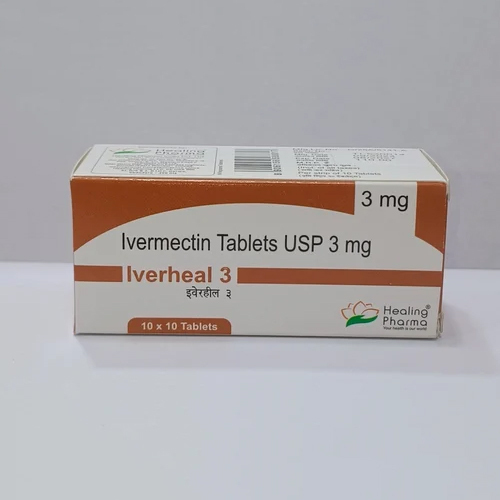
Ivermectin 3 mg
| Variation | Price | Quantity | Add To Cart |
|---|---|---|---|
| 180 pills | $550.00 |
|
Add to cart |
| 360 pills | $999.00 |
|
Add to cart |
| 90 pills | $370.00 |
|
Add to cart |
Ivermectin 3 mg is an oral antiparasitic medicine used to treat certain infections caused by parasitic worms. It contains ivermectin, an avermectin-class medicine that acts on susceptible parasites by interfering with their nervous system and muscle function. If you want to get rid of these problems, you can buy Ivermectin 3mg from Careskit.Com.
Ivermectin 3 mg is an established human oral tablet strength. Current U.S. labeling identifies ivermectin tablets for the treatment of intestinal strongyloidiasis caused by Strongyloides stercoralis and onchocerciasis caused by Onchocerca volvulus.
The appropriate amount is determined primarily by the patient’s body weight and the infection being treated, so one 3 mg tablet is not automatically the correct dose for every patient.
Ivermectin 3 mg Product Information
| Product Detail | Information |
| Active Ingredient | Ivermectin |
| Strength | 3 mg |
| Dosage Form | Oral tablet |
| Drug Class | Antiparasitic / anthelmintic |
| Main Human Uses | Certain parasitic worm infections |
| FDA-Approved Oral Uses | Intestinal strongyloidiasis and onchocerciasis |
| Administration | Oral |
| Dose Determination | Primarily based on body weight and indication |
| Storage | Follow the manufacturer’s label |
What Is Ivermectin 3 mg Used For?
Ivermectin 3 mg tablets are used for specific parasitic infections rather than as a general treatment for every type of worm.
The current U.S. labeling includes two principal oral indications:
- Intestinal strongyloidiasis
- Onchocerciasis
These infections are caused by different parasitic nematodes and require different weight-based dosing recommendations.
Ivermectin for Strongyloidiasis
Strongyloidiasis is an intestinal infection caused by the nematode Strongyloides stercoralis. Ivermectin is indicated for intestinal, or nondisseminated, strongyloidiasis.
The recommended treatment is a single oral dose designed to provide approximately 200 mcg/kg. Follow-up stool examinations may be required to confirm that the infection has been cleared.
Ivermectin for Onchocerciasis
Onchocerciasis, commonly known as river blindness, is caused by Onchocerca volvulus. Ivermectin acts primarily against the microfilarial stage rather than adult worms.
The recommended dose is a single oral dose designed to provide approximately 150 mcg/kg. Depending on the treatment setting, additional treatment may be considered later.
How Does Ivermectin 3 mg Work?
Ivermectin affects specific chloride channels associated with nerve and muscle activity in susceptible parasites. This disrupts normal parasite function and can result in paralysis and elimination of the parasite.
Its activity is selective for susceptible organisms, which is why ivermectin is prescribed for particular parasitic infections rather than for unspecified infections.
Ivermectin 3 mg Dosage
Ivermectin dosage is weight-based and indication-specific.
According to current U.S. labeling:
For Strongyloidiasis
The recommended dose is approximately 200 mcg/kg as a single oral dose. The 3 mg tablet dosing table lists:
| Body Weight | Single Dose |
| 15–24 kg | 1 × 3 mg tablet |
| 25–35 kg | 2 × 3 mg tablets |
| 36–50 kg | 3 × 3 mg tablets |
| 51–65 kg | 4 × 3 mg tablets |
| 66–79 kg | 5 × 3 mg tablets |
| ≥80 kg | Approximately 200 mcg/kg |
For Onchocerciasis
The recommended dose is approximately 150 mcg/kg as a single oral dose:
| Body Weight | Single Dose |
| 15–25 kg | 1 × 3 mg tablet |
| 26–44 kg | 2 × 3 mg tablets |
| 45–64 kg | 3 × 3 mg tablets |
| 65–84 kg | 4 × 3 mg tablets |
| ≥85 kg | Approximately 150 mcg/kg |
These tables are provided for the labeled indications and should not be used to self-diagnose an infection or determine treatment without medical guidance.
How to Take Ivermectin 3 mg
When prescribed by a healthcare professional:
- Take ivermectin exactly as directed.
- Use the dose appropriate for your body weight and diagnosis.
- Current U.S. labeling instructs patients to take ivermectin tablets on an empty stomach with water.
- Do not take additional tablets without medical instructions.
- Do not repeat treatment unless advised.
- Follow any recommended laboratory or stool-testing schedule.
Common Side Effects
Ivermectin is generally tolerated by many patients when used appropriately, but side effects can occur.
Possible adverse effects include:
- Dizziness
- Nausea
- Diarrhea
- Abdominal discomfort
- Weakness
- Fatigue
- Headache
People treated for onchocerciasis may experience additional reactions associated with the body’s response to dying microfilariae.
Serious Side Effects and Warnings
Seek medical attention for severe or unexpected symptoms.
Potential serious effects can include:
- Severe dizziness
- Loss of coordination or balance
- Confusion
- Seizures
- Severe allergic reactions
- Breathing difficulties
- Very low blood pressure
- Loss of consciousness
Excessive ivermectin exposure can be dangerous. FDA information describes overdose effects including nausea, vomiting, diarrhea, hypotension, allergic reactions, dizziness, ataxia, seizures, coma, and potentially death.
Ivermectin 3 mg Precautions
Before taking ivermectin, tell your healthcare professional about your medical history and all medicines you use.
Discuss treatment particularly if you:
- Have significant liver disease
- Are pregnant or planning pregnancy
- Are breastfeeding
- Have previously reacted to ivermectin
- Take anticoagulants or blood-thinning medicines
- Take prescription or OTC medicines regularly
- Use vitamins, supplements, or herbal products
Ivermectin can interact with other medicines, and post-marketing reports have described increased INR when ivermectin was co-administered with warfarin.
Ivermectin 3 mg Drug Interactions
Provide your doctor or pharmacist with a complete list of your medications before starting treatment.
This includes:
- Prescription medicines
- OTC medicines
- Blood thinners
- Vitamins
- Herbal supplements
- Other antiparasitic medicines
Do not stop or change another prescription without professional advice.
Ivermectin 3 mg During Pregnancy
If you are pregnant, planning pregnancy, or think you may be pregnant, consult a healthcare professional before using ivermectin.
The decision to treat should take into account the diagnosed infection, potential benefits, potential risks, and available alternatives.
Ivermectin and Breastfeeding
Ask a healthcare professional before using ivermectin while breastfeeding.
Your healthcare provider can assess the reason for treatment, the prescribed dose, and the health and age of the infant before recommending treatment.
Can Children Take Ivermectin 3 mg?
Children require weight-based dosing. The current U.S. tablet labeling provides dosing information beginning at 15 kg body weight for the labeled indications.
Do not give a child ivermectin based solely on the tablet strength. A healthcare professional should determine whether treatment is appropriate.
Ivermectin 3 mg and COVID-19
Ivermectin should not be presented as a treatment or preventive medicine for COVID-19.
The FDA has not authorized or approved ivermectin for preventing or treating COVID-19. The agency also warns that taking large amounts can be dangerous.
Human Ivermectin vs. Veterinary Ivermectin
Human ivermectin tablets should not be replaced with veterinary ivermectin products.
Animal formulations can differ in concentration, inactive ingredients, formulation, and dosing instructions. The FDA has received reports of people requiring medical attention after using ivermectin intended for animals.
Only use ivermectin products intended for human treatment.
What If You Miss a Dose?
The correct action depends on your prescribed treatment schedule.
Do not automatically take a double dose. If you miss a scheduled dose, contact your doctor or pharmacist for individualized instructions.
Ivermectin 3 mg Overdose
Taking more ivermectin than prescribed can result in serious toxicity.
Possible overdose symptoms include:
- Nausea and vomiting
- Diarrhea
- Low blood pressure
- Dizziness
- Poor coordination
- Seizures
- Loss of consciousness
If an overdose is suspected, seek emergency medical assistance immediately.
How Should Ivermectin 3 mg Be Stored?
Storage requirements can vary by manufacturer.
One current U.S. ivermectin 3 mg label recommends storage at 20°C to 25°C (68°F to 77°F), with permitted excursions between 15°C and 30°C. Another current 3 mg label specifies storage below 30°C. Follow the storage instructions on the exact product package.
Keep the tablets in their original packaging and protect them from excessive heat and moisture.
Why Choose Careskit?
At Careskit, product information is designed to help customers understand the active ingredient, intended uses, dosage considerations, precautions, interactions, and safe-use information.
For Ivermectin 3 mg, it is especially important to understand that the appropriate dose depends on body weight and the specific parasitic infection, rather than simply taking a fixed number of tablets.
Use ivermectin only according to the directions provided by a qualified healthcare professional.
Frequently Asked Questions About Ivermectin 3 mg
1. What is Ivermectin 3 mg used for?
Ivermectin 3 mg is an antiparasitic medicine used for specific infections, including intestinal strongyloidiasis and onchocerciasis caused by susceptible parasitic worms.
2. Is Ivermectin 3 mg a standard human tablet?
Yes. Ivermectin 3 mg is an established human oral tablet strength and is listed in current U.S. DailyMed labeling.
3. How many Ivermectin 3 mg tablets should I take?
The number depends on body weight and the infection being treated. The labeled doses are approximately 200 mcg/kg for strongyloidiasis and 150 mcg/kg for onchocerciasis.
4. What is the dose for strongyloidiasis?
The labeled treatment is a single oral dose providing approximately 200 mcg/kg. The exact number of 3 mg tablets depends on body weight.
5. What is the dose for onchocerciasis?
The recommended dose is approximately 150 mcg/kg as a single oral dose. Weight-based tables determine the number of 3 mg tablets used.
6. Should Ivermectin 3 mg be taken with food?
Current U.S. labeling instructs patients to take ivermectin tablets on an empty stomach with water. Follow the directions supplied with your prescribed product.
7. What are common Ivermectin 3 mg side effects?
Possible side effects include dizziness, nausea, diarrhea, abdominal discomfort, weakness, fatigue, and headache. Reactions can also depend on the infection being treated.
8. Can Ivermectin 3 mg treat COVID-19?
No. The FDA has not authorized or approved ivermectin for preventing or treating COVID-19.
9. Can I use veterinary ivermectin?
No. Veterinary ivermectin products can differ from human medicines and may cause serious harm when used by people.
10. Can Ivermectin 3 mg interact with other medicines?
Yes. Ivermectin can interact with other medicines. The labeling reports rare increases in INR when ivermectin is used with warfarin, so medication review is important.
11. What happens if I take too much ivermectin?
An overdose can cause vomiting, diarrhea, low blood pressure, dizziness, impaired coordination, seizures, coma, and other serious effects. Emergency medical assistance should be obtained for suspected overdose.
12. Is Ivermectin 3 mg suitable for everyone?
No. Suitability depends on the diagnosis, body weight, medical history, other medicines, and the specific formulation. A healthcare professional should determine whether treatment is appropriate.
| Select Variation | 180 pills, 360 pills, 90 pills |
|---|
Only logged in customers who have purchased this product may leave a review.
Related products
-
Ivermectin 20 mg
Price range: $400.00 through $1,050.00Buy Now This product has multiple variants. The options may be chosen on the product page -
Ivermectin 6 mg
Price range: $370.00 through $999.00Buy Now This product has multiple variants. The options may be chosen on the product page -
Ivermectin 12 mg
Price range: $370.00 through $999.00Buy Now This product has multiple variants. The options may be chosen on the product page -
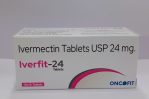
Ivermectin 24 mg
Price range: $400.00 through $1,050.00Buy Now This product has multiple variants. The options may be chosen on the product page


Reviews
There are no reviews yet.