
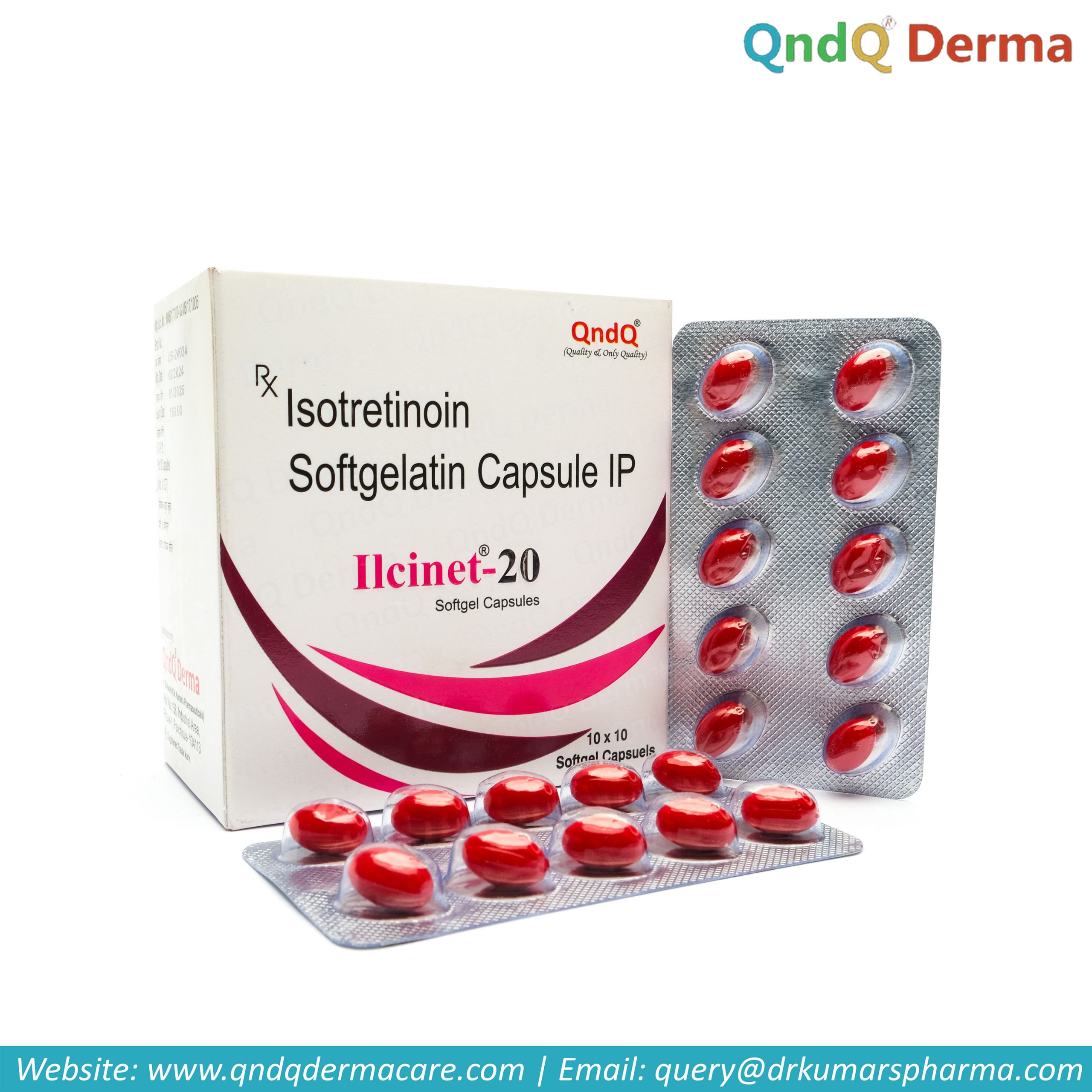
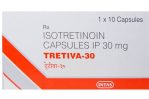
Isotretinoin 20 mg
| Variation | Price | Quantity | Add To Cart |
|---|
Isotretinoin 20mg is a prescription oral retinoid used in the treatment of severe acne when conventional therapies have not provided sufficient results. It works on several of the underlying processes involved in acne, particularly excessive sebum production and abnormal follicular changes. If you want to rid form these problems, you can buy Isotretinoin 20mg from Careskit.Com.
Isotretinoin is a powerful systemic acne treatment and is generally reserved for patients with severe, persistent, or nodular acne. Because treatment can involve significant risks and monitoring requirements, Isotretinoin 20mg should be used according to a healthcare professional’s prescription and supervision.
Isotretinoin 20mg Product Information
| Product | Isotretinoin 20mg |
| Active Ingredient | Isotretinoin |
| Strength | 20mg |
| Drug Category | Retinoid |
| Dosage Form | Oral capsule |
| Main Indication | Severe acne |
| Route | Oral |
| Prescription | Yes |
| Treatment | Individualized by healthcare professional |
What Is Isotretinoin 20mg Used For?
Isotretinoin is primarily used for severe recalcitrant nodular acne that has not responded adequately to conventional treatment. Current U.S. labeling specifies its use in non-pregnant patients aged 12 years and older with severe nodular acne and multiple inflammatory nodules.
A dermatologist may consider isotretinoin when acne:
- Produces deep inflammatory or nodular lesions
- Remains difficult to control with conventional therapy
- Has not responded adequately to appropriate systemic antibiotics or other treatments
- Has a substantial risk of permanent scarring
- Continues to significantly affect the patient’s skin despite appropriate treatment
It is not normally intended as a routine treatment for mild acne.
How Does Isotretinoin 20mg Work?
Isotretinoin is a retinoid related to vitamin A. One of its most important actions is reducing the size and activity of sebaceous glands, which decreases the amount of sebum produced by the skin.
It also affects the development of cells within hair follicles. By influencing these processes, isotretinoin can reduce the formation of blocked follicles and help control the inflammatory environment associated with severe acne.
Because it acts on several acne-related mechanisms simultaneously, isotretinoin can produce a much stronger systemic effect than many topical acne treatments.
Isotretinoin 20mg Dosage
The correct isotretinoin dose is determined individually rather than simply by the capsule strength.
For standard isotretinoin capsules, prescribing information commonly recommends approximately 0.5 to 1 mg/kg/day, administered in divided doses, with treatment generally lasting around 15 to 20 weeks. The prescriber may adjust the dose according to response, tolerability, disease severity, and other clinical considerations.
Therefore, a 20mg capsule may form part of a patient’s prescribed regimen without meaning that every patient should take the same number of capsules.
Do not change your isotretinoin dose without medical advice.
How to Take Isotretinoin 20mg
Take Isotretinoin 20mg exactly according to your prescription and the instructions supplied with your specific product.
Important points include:
- Take the prescribed amount at the recommended times.
- Follow the food instructions associated with your particular formulation.
- Swallow capsules as directed.
- Do not take additional capsules if acne does not improve quickly.
- Do not share your medication with anyone else.
- Attend all scheduled follow-up appointments.
- Complete required laboratory and pregnancy monitoring where applicable.
Some isotretinoin formulations have different food-related administration instructions, so the product label and pharmacist’s directions should always take priority.
Common Side Effects of Isotretinoin 20mg
Dryness is one of the most noticeable effects during isotretinoin treatment because of its influence on sebaceous-gland activity.
Common or expected effects may include:
- Chapped or cracked lips
- Dry skin
- Dry or irritated eyes
- Nasal dryness
- Nosebleeds
- Headache
- Muscle discomfort
- Joint discomfort
- Increased sensitivity to sunlight
- Changes in blood triglycerides or cholesterol
Moisturizers, lip balm, and appropriate skin care can often help with dryness.
Serious Side Effects
Isotretinoin can cause potentially serious adverse reactions. Contact your healthcare professional promptly if you experience concerning or unusual symptoms such as:
- Severe or persistent headache
- Vision changes
- Significant mood or behavioral changes
- Severe abdominal pain
- Yellowing of the skin or eyes
- Serious skin rash or blistering
- Hearing changes
- Severe muscle or joint symptoms
- Other unexplained or severe reactions
Do not ignore significant changes that occur during treatment. Your healthcare professional can determine whether the symptoms require investigation or a change in treatment.
Isotretinoin and Pregnancy
Isotretinoin is contraindicated during pregnancy.
Exposure to isotretinoin during pregnancy carries an extremely high risk of serious, potentially life-threatening birth defects. Pregnancy loss and premature birth have also been reported following exposure.
Patients who can become pregnant must follow the applicable pregnancy-testing and prevention requirements associated with isotretinoin treatment. In the United States, isotretinoin capsules are distributed through the restricted iPLEDGE REMS program.
If pregnancy occurs while taking isotretinoin, discontinue the medicine and contact your healthcare professional immediately.
Isotretinoin 20mg Precautions
Before treatment, tell your healthcare professional about your medical history and all medicines or supplements you use.
Important precautions include:
- Do not use isotretinoin during pregnancy.
- Follow all required pregnancy-prevention measures.
- Avoid vitamin A supplements unless specifically recommended.
- Tell your doctor about all prescription medicines and supplements.
- Report significant mood or behavioral changes.
- Protect your skin from excessive sunlight.
- Use suitable moisturizers for dryness.
- Attend recommended laboratory testing.
- Do not donate blood while taking isotretinoin and follow local guidance about when donation can resume.
- Never give your isotretinoin to another person.
Isotretinoin 20mg Drug Interactions
Certain medicines and supplements can increase the risks associated with isotretinoin.
Vitamin A
Additional vitamin A may increase the risk of vitamin-A-related toxicity. Avoid vitamin A supplements unless your healthcare professional specifically recommends them.
Tetracycline Antibiotics
Isotretinoin should generally not be combined with tetracycline antibiotics because the combination may increase the risk of intracranial hypertension.
Other Medicines
Provide your doctor or pharmacist with a complete list of prescription medicines, over-the-counter products, vitamins, and herbal supplements before beginning treatment.
Monitoring During Isotretinoin Treatment
Regular medical follow-up is important when using isotretinoin.
Depending on your individual circumstances, your healthcare professional may monitor:
- Pregnancy status when applicable
- Blood lipid levels
- Liver function
- Acne response
- Treatment-related adverse effects
- Other laboratory values when clinically indicated
Current prescribing information recommends appropriate evaluation before treatment, including pregnancy assessment where applicable and baseline lipid and liver testing.
Missed Dose
If you forget to take a dose, follow the instructions provided with your prescription.
Do not take two doses together to compensate for a missed dose. Standard isotretinoin labeling advises skipping the missed dose and returning to the regular dosing schedule.
If you are uncertain about your next dose, contact your pharmacist or healthcare professional.
Storage Instructions
Keep Isotretinoin 20mg in its original packaging and store it according to the product label.
- Keep it away from excessive heat and moisture.
- Protect it from inappropriate light exposure when specified.
- Keep it out of reach of children.
- Do not use capsules that are damaged or appear abnormal.
- Do not transfer medication to an unlabeled container.
Why Choose Careskit?
At Careskit, we aim to provide clear and informative product information to help readers understand prescription medicines and their appropriate use.
For Isotretinoin 20mg, responsible treatment involves following the prescribed regimen, attending medical monitoring, understanding potential adverse effects, and observing all pregnancy-related safety requirements.
The information provided by Careskit is educational and should not replace individualized guidance from a dermatologist, physician, or pharmacist.
Frequently Asked Questions
1. What is Isotretinoin 20mg used for?
Isotretinoin 20mg is an oral retinoid used under medical supervision for severe acne, particularly severe nodular acne that has not responded adequately to conventional treatment.
2. Is Isotretinoin 20mg a prescription medicine?
Yes. Isotretinoin requires medical supervision because of its significant safety considerations, monitoring requirements, and serious pregnancy-related risks.
3. Is 20mg an available isotretinoin strength?
Yes. Isotretinoin capsules are available in 20mg strength among established capsule formulations.
4. Is 20mg the correct daily dose for everyone?
No. Isotretinoin dosing is individualized, commonly using body weight, acne severity, treatment response, and tolerability to determine the appropriate regimen.
5. Can isotretinoin be used during pregnancy?
No. Isotretinoin is contraindicated during pregnancy because it can cause severe birth defects and other serious pregnancy outcomes.
6. Why does isotretinoin make the lips dry?
Isotretinoin reduces sebaceous-gland activity and sebum production, which can lead to pronounced dryness of the lips, skin, nose, and eyes.
7. Can I take vitamin A while using Isotretinoin 20mg?
Vitamin A supplements should generally be avoided unless specifically recommended by your healthcare professional because combining them may increase vitamin-A-related adverse effects.
8. Can antibiotics be taken with isotretinoin?
Some antibiotics can interact with isotretinoin. Tetracycline antibiotics are particularly important because using them with isotretinoin can increase the risk of intracranial hypertension.
9. Will I need blood tests during treatment?
Your healthcare professional may monitor blood lipids and liver function, along with other tests when appropriate. Monitoring requirements depend on your individual treatment plan.
10. Can Isotretinoin 20mg affect mood?
Mood and behavioral changes have been reported during isotretinoin treatment. Contact your healthcare professional promptly if you experience significant depression, unusual behavior, or thoughts of self-harm.
11. What happens if I miss an isotretinoin dose?
Do not double the next dose. Standard labeling advises skipping the missed dose and continuing with the regular schedule.
12. Can I stop isotretinoin whenever my acne improves?
Do not change or discontinue your prescribed treatment without discussing it with your healthcare professional. The appropriate duration depends on your response and clinical assessment.
| Select Variation | 180 pills, 360 pills, 90 pills |
|---|
Only logged in customers who have purchased this product may leave a review.



Reviews
There are no reviews yet.