
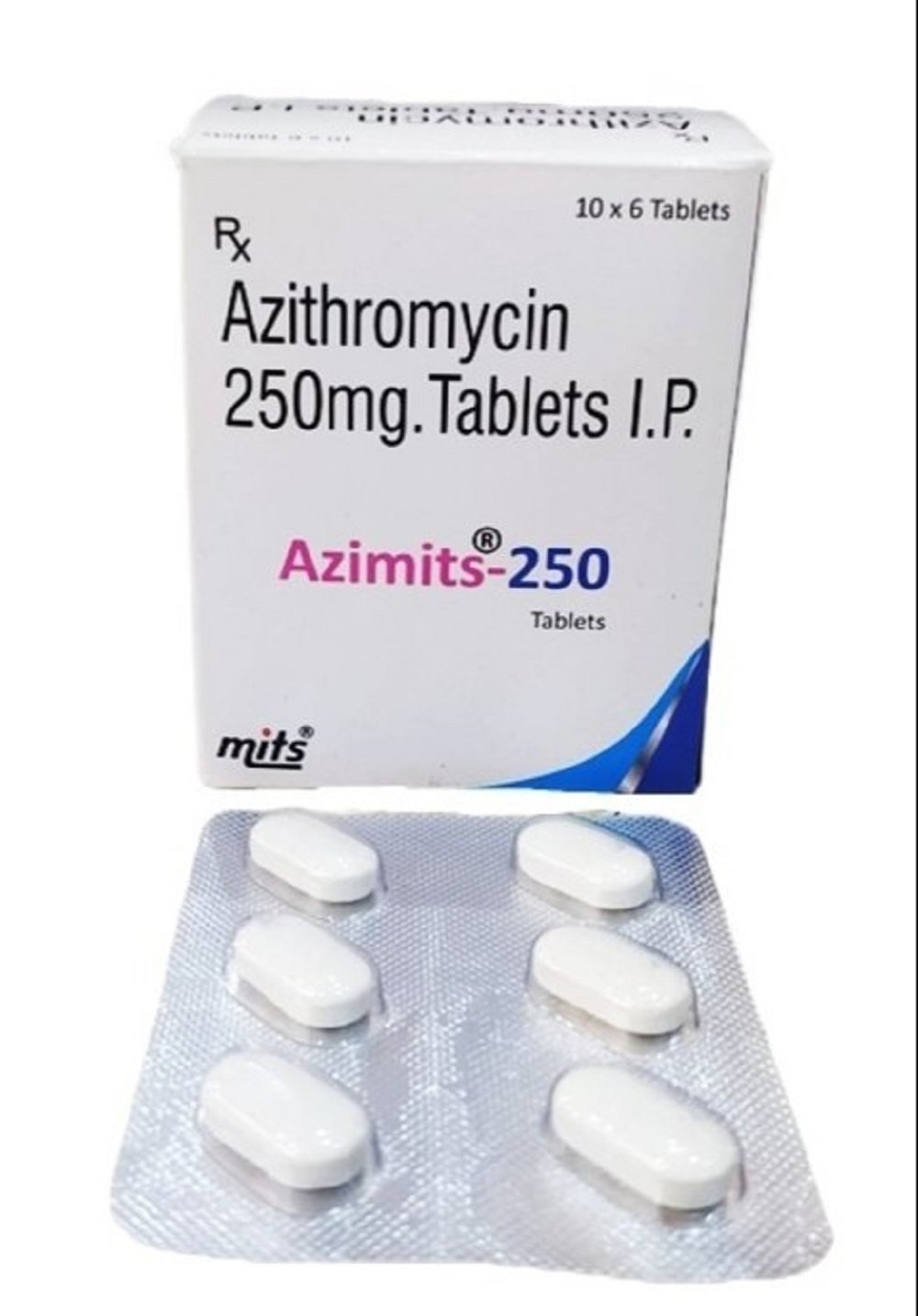
Azithromycin 250 mg
| Variation | Price | Quantity | Add To Cart |
|---|---|---|---|
| 180 pills | $590.00 |
|
Add to cart |
| 360 pills | $999.00 |
|
Add to cart |
| 90 pills | $370.00 |
|
Add to cart |
Azithromycin 250mg is a macrolide antibiotic used to treat selected bacterial infections caused by susceptible microorganisms. It works by interfering with bacterial protein production, helping stop susceptible bacteria from multiplying. If you want to get rid of these problems, you can buy Azithromycin 250mg from Careskit.Com.
The 250mg tablet is an established azithromycin strength. For many adult indications, it is used as part of a multi-day treatment schedule, such as following an initial 500mg dose on the first day. The appropriate regimen depends on the infection being treated and the patient’s individual circumstances.
Azithromycin should be used only when a bacterial infection is proven or strongly suspected. It should not be used for viral illnesses such as ordinary colds or influenza.
Azithromycin 250mg Product Information
| Product | Azithromycin 250mg |
| Active Ingredient | Azithromycin |
| Strength | 250mg |
| Drug Class | Macrolide antibiotic |
| Dosage Form | Oral tablet |
| Route | Oral |
| Main Use | Selected susceptible bacterial infections |
| Dosing | Depends on infection and treatment regimen |
| Prescription Status | Prescription medicine |
Azithromycin tablets are currently available in 250mg and 500mg strengths.
What Is Azithromycin 250mg Used For?
Azithromycin may be prescribed for certain mild-to-moderate bacterial infections when the causative organisms are susceptible.
Depending on the diagnosis and patient group, labeled uses include:
- Certain community-acquired respiratory infections
- Acute bacterial exacerbations of chronic bronchitis
- Acute bacterial sinusitis
- Uncomplicated skin and skin-structure infections
- Certain cases of pharyngitis or tonsillitis
- Selected sexually transmitted bacterial infections
- Certain pediatric infections, including acute otitis media and community-acquired pneumonia
The specific approved uses can vary according to age, diagnosis, formulation, and local prescribing information.
Azithromycin is not effective against viruses and should not be taken simply because symptoms resemble a previous bacterial infection.
How Does Azithromycin 250mg Work?
Azithromycin works by targeting bacterial protein synthesis.
It binds to the 50S portion of bacterial ribosomes, interfering with the production of proteins required for bacterial growth and reproduction. This helps suppress susceptible bacteria and allows the body’s immune system to clear the infection.
The medicine’s effectiveness depends on the susceptibility of the bacteria responsible for the infection. Resistant organisms may not respond adequately to azithromycin.
Azithromycin 250mg Dosage
The appropriate dose depends on the infection, age, body weight, and clinical circumstances.
For adults, current labeling includes several regimens in which 250mg tablets are used after an initial 500mg dose.
Community-Acquired Pneumonia
For mild community-acquired pneumonia, the labeled regimen is:
500mg on Day 1, followed by 250mg once daily on Days 2 through 5.
Pharyngitis or Tonsillitis
When azithromycin is used as second-line therapy for appropriate bacterial pharyngitis or tonsillitis, the labeled adult regimen is:
500mg on Day 1, followed by 250mg once daily on Days 2 through 5.
Uncomplicated Skin and Skin-Structure Infections
An adult regimen may consist of:
500mg on Day 1, followed by 250mg once daily on Days 2 through 5.
Acute Bacterial Exacerbation of Chronic Bronchitis
Depending on the prescribed regimen, adults may receive:
- 500mg on Day 1 followed by 250mg once daily on Days 2–5, or
- 500mg once daily for 3 days.
Important Strength Reminder
A 250mg tablet does not mean that every infection should be treated with 250mg once daily.
In many adult regimens, the 250mg tablet is used after a higher initial dose. Other infections have completely different dosing schedules.
Always follow the exact prescription provided for your diagnosis.
How to Take Azithromycin 250mg
Take Azithromycin 250mg according to your healthcare professional’s instructions.
- Swallow the tablet with water.
- Azithromycin tablets can generally be taken with or without food.
- Take doses at approximately the same time each day when following a multi-day regimen.
- Do not take additional tablets because symptoms have not improved quickly.
- Follow the complete prescribed treatment schedule.
- Do not share your antibiotic with another person.
If your healthcare professional provides different instructions based on your formulation or condition, follow those instructions.
Common Side Effects of Azithromycin 250mg
Azithromycin is generally tolerated by many patients, but side effects can occur.
Possible reactions include:
- Diarrhea or loose stools
- Nausea
- Abdominal discomfort
- Vomiting
- Headache
- Dizziness
- Indigestion
- Changes in taste
Most reactions are mild, but persistent or severe symptoms should be discussed with a healthcare professional.
Important Safety Warnings
QT Interval Prolongation
Azithromycin can prolong the QT interval and may increase the risk of potentially dangerous abnormal heart rhythms, including torsades de pointes.
The risk is greater in people with certain cardiovascular conditions or other risk factors, including:
- Known QT prolongation
- Previous torsades de pointes
- Certain abnormal heart rhythms
- Low potassium or magnesium
- Slow heart rate
- Use of other medicines that prolong the QT interval
Older adults may also have increased susceptibility to these cardiac effects.
Tell your healthcare professional about any heart rhythm condition before starting treatment.
Liver Injury
Azithromycin can cause liver-related adverse reactions, including serious and potentially fatal hepatotoxicity.
Stop and seek medical advice if you develop symptoms that could indicate liver injury, such as:
- Yellow skin or eyes
- Dark urine
- Severe or persistent nausea
- Unusual tiredness
- Loss of appetite
- Upper abdominal discomfort
Azithromycin is contraindicated in patients with a history of cholestatic jaundice or hepatic dysfunction associated with previous azithromycin use.
Severe Allergic and Skin Reactions
Serious hypersensitivity reactions can occur, including severe skin reactions.
Seek emergency medical attention for:
- Difficulty breathing
- Swelling of the face, lips, tongue, or throat
- Widespread blistering
- Skin peeling
- Severe rash
- Fainting
Azithromycin should not be used in people with known hypersensitivity to azithromycin, erythromycin, other macrolides, or ketolides.
Clostridioides difficile-Associated Diarrhea
Antibiotic treatment can disrupt normal intestinal bacteria and allow Clostridioides difficile to multiply.
Contact a healthcare professional if you develop severe, persistent, or watery diarrhea, particularly if it is accompanied by abdominal pain, fever, or blood in the stool.
- difficile-associated diarrhea can develop during treatment or after the antibiotic has been completed.
Myasthenia Gravis
Azithromycin may worsen muscle weakness in people with myasthenia gravis.
Tell your healthcare professional if you have this condition before taking the medicine.
Azithromycin 250mg and Antibiotic Resistance
Azithromycin should be reserved for appropriate bacterial infections.
Taking antibiotics unnecessarily can expose you to adverse effects without treating the underlying illness and can contribute to antimicrobial resistance. Current prescribing information recommends using azithromycin only when a bacterial infection is proven or strongly suspected to involve susceptible organisms.
Azithromycin should not be used to treat:
- Common colds
- Influenza
- Most viral coughs
- Other uncomplicated viral infections
Azithromycin 250mg Precautions
Before starting treatment, tell your healthcare professional if you have:
- A history of heart rhythm problems
- Prolonged QT interval
- Low potassium or magnesium
- Liver disease
- Previous macrolide allergy
- Previous azithromycin-associated liver problems
- Myasthenia gravis
- A history of severe antibiotic-associated diarrhea
Also provide a complete list of prescription medicines, over-the-counter products, vitamins, and supplements.
Azithromycin 250mg Drug Interactions
Azithromycin may interact with other medicines or increase the risk of certain adverse effects.
Particular caution may be required with medicines that:
- Prolong the QT interval
- Affect cardiac rhythm
- Increase the risk of liver injury
- Affect azithromycin exposure
Current prescribing information also identifies potential interactions involving medicines such as nelfinavir and warfarin.
Your healthcare professional should review your complete medication list before treatment.
Azithromycin 250mg During Pregnancy
If you are pregnant, planning to become pregnant, or believe you could be pregnant, discuss azithromycin with your healthcare professional.
The decision to use an antibiotic during pregnancy depends on the infection being treated, alternative therapies, and the expected benefits and risks for the individual patient.
Do not start or discontinue prescribed antibiotic treatment during pregnancy without professional guidance.
Azithromycin and Breastfeeding
Azithromycin can pass into breast milk.
Tell your healthcare professional if you are breastfeeding. They can determine whether treatment is appropriate and whether the infant should be monitored for possible effects.
What If You Miss an Azithromycin 250mg Dose?
If you miss a scheduled dose, take it when you remember unless your next dose is nearly due.
If the next dose is close, skip the missed dose and return to the regular schedule.
Do not take two doses together to make up for a missed dose unless your healthcare professional specifically tells you to do so.
If you miss multiple doses, contact your prescriber or pharmacist rather than creating a new dosing schedule yourself.
What Happens If You Take Too Much?
Do not intentionally exceed the prescribed amount.
If you accidentally take substantially more Azithromycin 250mg than directed, contact a healthcare professional or poison-control service for advice.
Seek urgent medical attention if an overdose is followed by severe symptoms such as fainting, significant heart palpitations, breathing difficulty, or severe allergic symptoms.
Azithromycin 250mg Storage
Store Azithromycin 250mg according to the instructions on the specific product label.
General precautions include:
- Keep tablets in their original container.
- Store at the temperature specified on the package.
- Protect the medicine from excessive heat and moisture.
- Keep it away from children and pets.
- Do not use tablets that are damaged or visibly altered.
Always follow the storage requirements supplied with your specific product.
Azithromycin 250mg Safety Guidelines
For responsible use:
- Take azithromycin only when prescribed for an appropriate bacterial infection.
- Follow the exact dose and treatment duration.
- Do not use it for colds or influenza.
- Tell your doctor about heart rhythm conditions.
- Report symptoms that could indicate liver injury.
- Inform your healthcare professional about all medicines you take.
- Report severe or persistent diarrhea.
- Seek emergency care for severe allergic or skin reactions.
- Tell your doctor if you have myasthenia gravis.
- Do not share or save leftover antibiotics for future illnesses.
Why Choose Careskit?
Careskit provides accessible medicine information designed to help patients better understand prescription treatments, including active ingredients, available strengths, administration instructions, precautions, interactions, and potential adverse effects.
For Azithromycin 250mg, understanding the prescribed schedule is particularly important because the 250mg tablet is commonly used as part of a multi-day regimen rather than representing a universal daily dose.
Always follow the instructions supplied by your healthcare professional and the product information accompanying your medicine.
Frequently Asked Questions About Azithromycin 250mg
1. What is Azithromycin 250mg?
Azithromycin 250mg is an oral macrolide antibiotic used to treat certain bacterial infections caused by susceptible microorganisms.
2. Is 250mg an available azithromycin strength?
Yes. Current prescribing information lists azithromycin tablets in both 250mg and 500mg strengths.
3. What is Azithromycin 250mg commonly used for?
It may form part of treatment regimens for certain respiratory, sinus, throat, skin, and other bacterial infections, depending on the diagnosis and patient group.
4. Is Azithromycin 250mg usually taken once a day?
It can be taken once daily as part of certain prescribed regimens, but the schedule depends on the infection. For several adult indications, 250mg is taken on Days 2–5 after a 500mg Day 1 dose.
5. Can I take Azithromycin 250mg by itself on the first day?
Do not assume that 250mg is the correct first-day dose. For several labeled adult regimens, treatment begins with 500mg on Day 1 and continues with 250mg on subsequent days.
6. Can Azithromycin 250mg treat a cold?
No. A common cold is generally viral, while azithromycin is an antibacterial medicine. Unnecessary use can contribute to antibiotic resistance.
7. Should Azithromycin 250mg be taken with food?
Azithromycin tablets can generally be taken with or without food. Follow any specific instructions provided with your prescription.
8. Can Azithromycin 250mg cause diarrhea?
Yes. Diarrhea is a known adverse effect. Severe or persistent diarrhea can indicate C. difficile-associated diarrhea and should be medically evaluated.
9. Can Azithromycin 250mg affect the heart?
Yes. Azithromycin can prolong the QT interval and may increase the risk of serious abnormal heart rhythms in susceptible patients.
10. Can Azithromycin 250mg affect the liver?
Yes. Serious liver injury has been reported. Patients who develop symptoms of hepatitis should receive prompt medical evaluation, and those with previous azithromycin-associated cholestatic jaundice or hepatic dysfunction should not use it.
11. Can children take Azithromycin 250mg?
Children may receive azithromycin for certain infections, but pediatric dosing is generally based on age, weight, and diagnosis. An adult 250mg tablet should not be given to a child without appropriate medical instructions.
12. What should I do if I miss an Azithromycin 250mg dose?
Take it when remembered unless the next dose is close. If the next dose is approaching, skip the missed dose and continue the prescribed schedule. Do not double the next dose.
| Select Variation | 180 pills, 360 pills, 90 pills |
|---|
Only logged in customers who have purchased this product may leave a review.
Related products
-

Azithromycin 500 mg
Price range: $390.00 through $1,059.00Buy Now This product has multiple variants. The options may be chosen on the product page



Reviews
There are no reviews yet.