
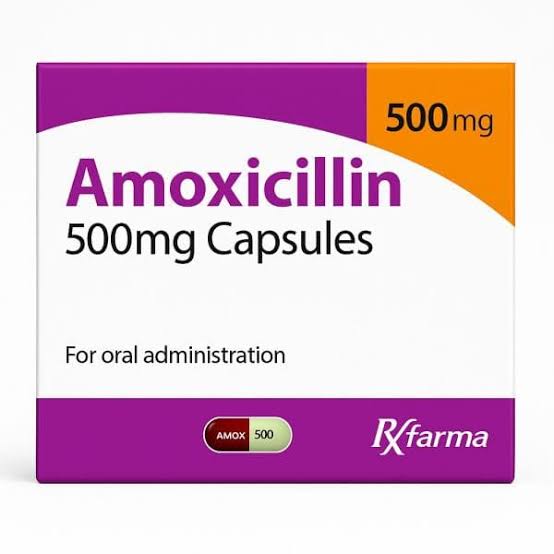
Amoxicillin 500 mg
| Variation | Price | Quantity | Add To Cart |
|---|---|---|---|
| 180 pills | $530.00 |
|
Add to cart |
| 360 pills | $979.00 |
|
Add to cart |
| 90 pills | $350.00 |
|
Add to cart |
Amoxicillin 500 mg is a penicillin-class antibiotic used to treat certain bacterial infections caused by susceptible microorganisms. It is available as a 500 mg oral capsule and may be prescribed for infections involving the respiratory tract, ears, nose and throat, skin, urinary/genitourinary tract, and for certain Helicobacter pylori treatment regimens. If you want to get rid of these problems, you can buy Amoxicillin 500mg from Careskit.Com.
Amoxicillin should only be used when a bacterial infection is proven or strongly suspected. It does not treat viral illnesses such as the common cold or influenza, and unnecessary antibiotic use can contribute to antimicrobial resistance.
Amoxicillin 500 mg Product Information
| Information | Details |
| Active ingredient | Amoxicillin |
| Strength | 500 mg |
| Drug class | Penicillin antibiotic |
| Dosage form | Oral capsule |
| Primary action | Antibacterial |
| Prescription status | Prescription medicine |
| Common treatment areas | Respiratory, ENT, skin, genitourinary and selected H. pylori infections |
Amoxicillin 500 mg capsules are an established dosage form. However, the appropriate dose and treatment duration depend on the infection being treated, its severity, the patient’s age and weight, kidney function, and the susceptibility of the bacteria.
What Is Amoxicillin 500 mg Used For?
Doctors may prescribe amoxicillin for susceptible bacterial infections involving:
- The ear, nose and throat
- The upper respiratory tract
- The lower respiratory tract
- The skin and skin structures
- The genitourinary tract
- Certain infections caused by susceptible bacteria
- Helicobacter pylori infection as part of combination treatment in adults
The exact indication should be determined by a healthcare professional. Antibiotics should not be taken simply because symptoms resemble a previous infection.
How Does Amoxicillin Work?
Amoxicillin interferes with bacterial cell-wall formation. By disrupting the processes bacteria need to build and maintain their protective cell wall, the medicine can inhibit bacterial growth and help eliminate susceptible organisms.
Because resistance can make bacteria less responsive to antibiotics, amoxicillin should be used only when appropriate for the suspected or confirmed bacterial infection.
Amoxicillin 500 mg Dosage
There is no single 500 mg schedule that is appropriate for every infection.
Current labeling gives an overall adult dosage range of 750 mg to 1,750 mg per day, divided into doses given every 8 to 12 hours, with the specific regimen determined by the infection. Pediatric dosing is generally weight-based. Patients with significant renal impairment may require dosage adjustment.
For some adult infections, a healthcare professional may prescribe a regimen that includes a 500 mg dose. For H. pylori treatment, amoxicillin is used at 1 gram per dose in specified combination regimens rather than simply using one 500 mg capsule alone.
Do not increase, reduce, or extend your dose without medical advice.
How to Take Amoxicillin 500 mg
Take the medicine exactly according to the prescription. General administration guidance includes:
- Swallow the capsule with water.
- Take doses at evenly spaced times when possible.
- Follow the prescribed duration even if symptoms improve sooner.
- Do not share your antibiotic with another person.
- Do not save leftover capsules for a future illness.
The correct treatment duration varies by infection and patient factors.
What Happens If You Miss a Dose?
If you forget a dose, take it when you remember unless it is nearly time for the next scheduled dose. If the next dose is approaching, skip the missed dose and return to the normal schedule.
Avoid taking extra medicine to compensate unless your healthcare professional specifically instructs you to do so.
Common Side Effects of Amoxicillin 500 mg
The most frequently reported adverse reactions include:
- Diarrhea
- Nausea
- Vomiting
- Skin rash
These effects are generally manageable, but persistent, severe, or unusual symptoms should be discussed with a healthcare professional.
Serious Side Effects and Warnings
Amoxicillin can occasionally cause serious reactions.
Severe Allergic Reaction
Serious and potentially life-threatening anaphylactic reactions have been reported with penicillin antibiotics. Seek urgent medical attention for symptoms such as difficulty breathing, swelling of the face or throat, severe dizziness, or widespread hives.
Serious Skin Reactions
Severe cutaneous adverse reactions can occur. A rapidly spreading rash, blistering, peeling skin, sores involving the mouth or eyes, or other significant skin changes require prompt medical evaluation.
C. difficile-Associated Diarrhea
Antibiotic treatment can cause Clostridioides difficile-associated diarrhea, which may range from mild diarrhea to severe inflammation of the colon. Persistent or significant diarrhea during or after treatment should be medically evaluated.
Drug-Induced Enterocolitis Syndrome
Amoxicillin has also been associated with drug-induced enterocolitis syndrome (DIES), a serious reaction that requires discontinuation and appropriate medical management when recognized.
Who Should Avoid Amoxicillin 500 mg?
Amoxicillin is contraindicated in people with a history of serious hypersensitivity reactions to amoxicillin or other beta-lactam antibiotics, including certain penicillins and cephalosporins.
Tell your healthcare professional about any previous antibiotic allergy before starting treatment.
Amoxicillin 500 mg and Kidney Problems
Amoxicillin is eliminated through the kidneys, so people with significant renal impairment may need a modified regimen. Current labeling recommends dosage reduction in patients with severe renal impairment.
Do not use a standard adult schedule without medical guidance if you have known kidney disease.
Drug Interactions
Before taking amoxicillin, tell your healthcare professional about all prescription medicines, over-the-counter products and supplements you use.
Important labeled interactions include:
- Probenecid: Concurrent use is not recommended.
- Oral anticoagulants: Amoxicillin may increase prolongation of prothrombin time in some patients.
- Allopurinol: Combined use may increase the risk of rash.
- Oral contraceptives: The labeling notes that amoxicillin may reduce contraceptive effectiveness; discuss appropriate contraceptive precautions with your healthcare professional.
Amoxicillin 500 mg During Pregnancy and Breastfeeding
If you are pregnant, planning pregnancy, or breastfeeding, discuss amoxicillin treatment with your healthcare professional before taking it.
The decision to use an antibiotic should consider the confirmed or suspected infection, available treatment options, and individual circumstances.
Amoxicillin 500 mg and Alcohol
There is no specific alcohol interaction highlighted as a primary contraindication in the current amoxicillin label. However, alcohol can worsen symptoms such as nausea, stomach upset or dizziness in some people.
When recovering from an infection, limiting alcohol may help you tolerate treatment more comfortably.
Amoxicillin 500 mg Overdose
Taking substantially more amoxicillin than prescribed can increase the risk of adverse effects. Contact a healthcare professional or local poison-control/emergency service if an overdose is suspected, particularly if significant symptoms develop.
Do not attempt to compensate for missed doses by taking multiple capsules together.
How to Store Amoxicillin 500 mg
Keep amoxicillin in its original packaging and follow the storage instructions supplied with the specific product. Keep it away from excessive heat and moisture and out of the reach of children.
Do not use capsules that are damaged, improperly stored, or past their expiration date.
Important Safety Tips
- Use amoxicillin only for a bacterial infection for which it has been prescribed.
- Never use someone else’s antibiotic.
- Tell your doctor about penicillin or cephalosporin allergies.
- Complete the prescribed course unless your healthcare professional tells you otherwise.
- Seek help for breathing difficulty, facial swelling, severe rash, or other signs of a serious allergic reaction.
- Report persistent or severe diarrhea during or after treatment.
- Tell your healthcare professional if you have kidney disease.
- Review your other medicines for potential interactions.
- Do not keep leftover antibiotics for future infections.
Why Choose Careskit?
Careskit provides medication information designed to help patients better understand prescription treatments before discussing them with a qualified healthcare professional. Product information should always be considered alongside the prescription, official labeling, and individualized medical advice.
For antibiotics such as Amoxicillin 500 mg, responsible use is particularly important because inappropriate or unnecessary treatment can contribute to antibiotic resistance.
Frequently Asked Questions About Amoxicillin 500 mg
1. What is Amoxicillin 500 mg used for?
Amoxicillin 500 mg is a penicillin antibiotic used for susceptible bacterial infections involving areas such as the respiratory tract, ears, nose, throat, skin and genitourinary tract.
2. Is Amoxicillin 500 mg an antibiotic?
Yes. Amoxicillin belongs to the penicillin class of antibacterial medicines and works against susceptible bacteria.
3. Can Amoxicillin 500 mg treat a cold?
No. Colds are generally caused by viruses, and antibiotics such as amoxicillin do not treat viral infections. Amoxicillin should be used when a bacterial infection is suspected or confirmed.
4. Is 500 mg a standard Amoxicillin strength?
Yes. Amoxicillin is available as a 500 mg oral capsule, making this an established strength.
5. How often should Amoxicillin 500 mg be taken?
The schedule depends on the infection and individual patient factors. Current adult labeling describes divided dosing every 8 to 12 hours, but your prescribed schedule should be followed rather than selecting a frequency yourself.
6. Can Amoxicillin 500 mg cause diarrhea?
Yes. Diarrhea is among the most commonly reported adverse reactions. Severe or persistent diarrhea should be evaluated because antibiotic-associated C. difficile diarrhea can occur.
7. What are common side effects of Amoxicillin 500 mg?
Commonly reported effects include diarrhea, nausea, vomiting and rash. Contact a healthcare professional if symptoms become severe or concerning.
8. Can people with penicillin allergies take Amoxicillin 500 mg?
People with a history of serious hypersensitivity to amoxicillin or other beta-lactam antibiotics should not take it unless specifically evaluated and directed by an appropriate healthcare professional.
9. Does Amoxicillin 500 mg require a prescription?
Amoxicillin is a prescription antibacterial medicine in the labeling referenced here and should be used under appropriate medical supervision.
10. Can Amoxicillin 500 mg be used for children?
Amoxicillin can be prescribed to children when clinically appropriate, but pediatric dosing is generally based on age, weight and the infection being treated rather than simply using an adult 500 mg schedule.
11. Does kidney function affect Amoxicillin dosing?
Yes. Patients with severe renal impairment may require dosage adjustment because kidney function affects amoxicillin elimination.
12. Can I stop Amoxicillin 500 mg when I feel better?
Do not change or stop an antibiotic course on your own. Follow the duration prescribed by your healthcare professional and contact them if you experience significant side effects or have concerns about continuing treatment.
| Select Variation | 180 pills, 360 pills, 90 pills |
|---|
Only logged in customers who have purchased this product may leave a review.



Reviews
There are no reviews yet.