
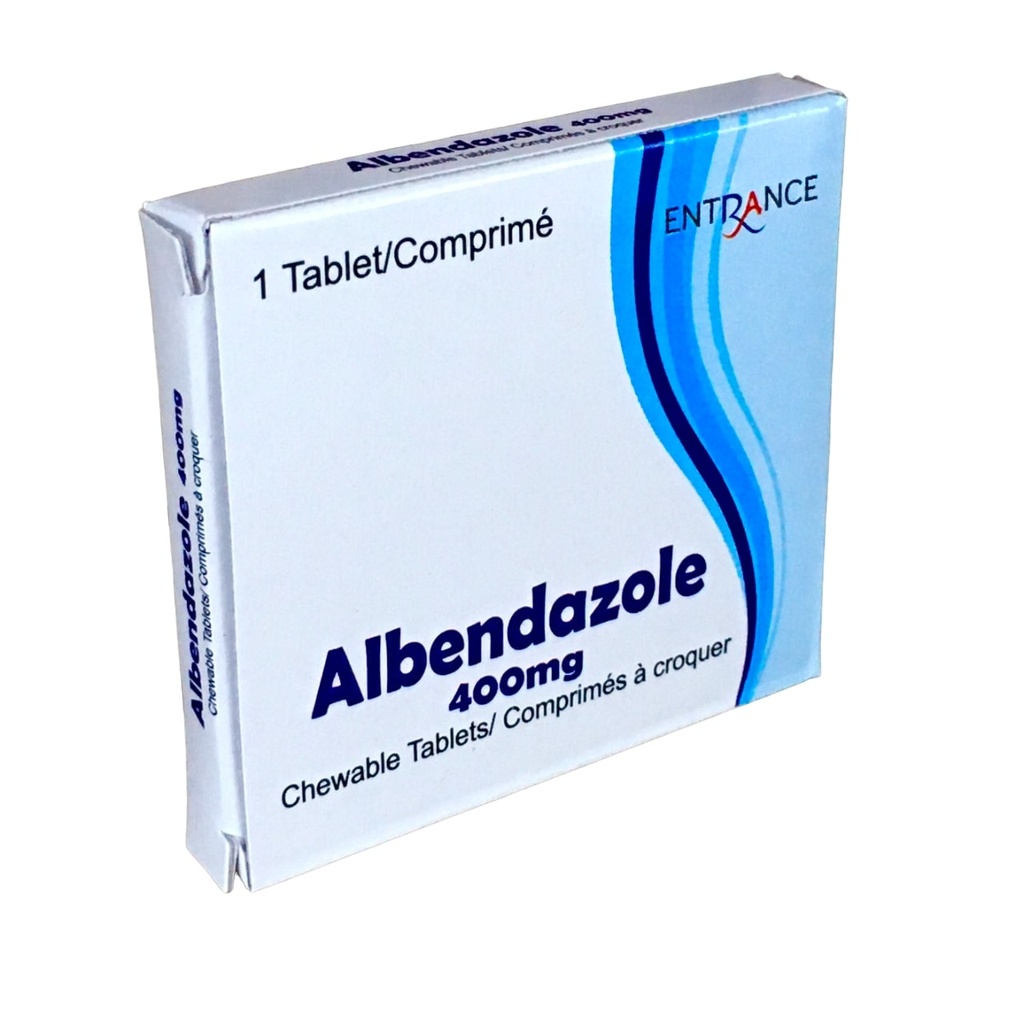
Albendazole 400 mg
| Variation | Price | Quantity | Add To Cart |
|---|---|---|---|
| 180 pills | $550.00 |
|
Add to cart |
| 360 pills | $999.00 |
|
Add to cart |
| 90 pills | $370.00 |
|
Add to cart |
Albendazole 400mg is an anthelmintic medicine used to treat certain parasitic worm infections. It belongs to the benzimidazole class and works by interfering with essential microtubule formation and nutrient uptake within susceptible parasites, eventually causing their death. If you want to get rid of these problems, you can buy Albendazole 400mg from Careskit.Com.
The appropriate dose and treatment duration depend on the type of infection, body weight, medical history, and treatment plan prescribed by a healthcare professional.
Product Information
| Product | Albendazole 400mg |
| Active Ingredient | Albendazole |
| Strength | 400mg |
| Drug Class | Anthelmintic / Benzimidazole |
| Main Indications | Neurocysticercosis and cystic hydatid disease |
| Administration | Oral |
| Dosage | Determined by infection and body weight |
| Prescription Status | Follow local prescribing requirements |
What Is Albendazole 400mg Used For?
Albendazole is an antiparasitic medicine. Current U.S. prescribing information specifically lists it for:
- Parenchymal neurocysticercosis caused by active larval forms of Taenia solium, the pork tapeworm.
- Cystic hydatid disease involving the liver, lungs, or peritoneum caused by Echinococcus granulosus.
Albendazole is also used for other parasitic infections in some countries and clinical settings. However, the correct treatment depends on the parasite involved, the patient’s age and weight, and applicable local treatment guidelines. It should not be assumed that the same 400mg regimen is appropriate for every type of intestinal worm infection.
How Does Albendazole 400mg Work?
Albendazole interferes with the parasite’s ability to form microtubules. These structures are important for maintaining cellular function and absorbing nutrients.
By binding to the parasite’s beta-tubulin and interfering with microtubule formation, albendazole reduces the parasite’s ability to absorb glucose and maintain energy stores. The resulting energy depletion can lead to the death of susceptible larval or adult parasite forms.
Albendazole is converted in the body to albendazole sulfoxide, its principal active metabolite, which contributes substantially to its systemic antiparasitic activity.
Albendazole 400mg Dosage
Albendazole dosing is not identical for every infection. For the indications covered by the current U.S. label:
Hydatid Disease
For patients weighing 60kg or more, the labeled regimen is:
400mg twice daily with meals.
For patients weighing less than 60kg, the labeled dose is 15mg/kg/day divided into two doses, with a maximum total daily dose of 800mg.
Treatment is generally given as a 28-day cycle followed by a 14-day albendazole-free interval, repeated for a total of three cycles.
Neurocysticercosis
For patients weighing 60kg or more, the labeled regimen is:
400mg twice daily with meals.
For patients weighing less than 60kg, the dose is 15mg/kg/day divided into two doses, with a maximum total daily dose of 800mg.
Treatment duration is generally 8 to 30 days, depending on the clinical situation.
Do not use the above schedules to self-treat an undiagnosed worm infection. Your healthcare professional should determine the appropriate dose and duration for your particular infection.
How Should Albendazole 400mg Be Taken?
Follow your prescription and the instructions supplied with your medicine.
- Take albendazole with food.
- Swallow the tablet with water unless your healthcare professional gives you different instructions.
- The tablets may be crushed or chewed when appropriate and then swallowed with water.
- Take each dose at the scheduled time.
- Do not increase the dose because symptoms have not improved immediately.
- Complete the prescribed treatment schedule unless your healthcare professional tells you otherwise.
Taking albendazole with food can increase exposure to its active metabolite, particularly when the meal contains substantial fat.
Common Side Effects of Albendazole 400mg
Side effects can vary according to the treatment duration and the condition being treated.
Possible adverse effects include:
- Abdominal discomfort or pain
- Nausea
- Vomiting
- Headache
- Dizziness
- Temporary changes in liver enzyme levels
- Gastrointestinal discomfort
Longer courses used for conditions such as hydatid disease or neurocysticercosis require closer medical monitoring than a short antiparasitic treatment.
Serious Side Effects and Warnings
Albendazole can cause clinically important adverse reactions, particularly during prolonged treatment.
Liver Problems
Albendazole can increase liver enzymes and may cause clinically significant hepatic injury. Liver function should be monitored before treatment cycles and at least every two weeks during prolonged therapy according to the current prescribing information.
Seek medical attention for symptoms such as:
- Yellowing of the skin or eyes
- Dark urine
- Persistent severe nausea
- Significant abdominal pain
- Unusual fatigue
Bone Marrow Suppression
Albendazole can cause bone marrow suppression, including serious reductions in blood cell counts. Blood counts should be monitored at the beginning of each 28-day treatment cycle and every two weeks during treatment.
Contact a healthcare professional if you develop unexplained fever, persistent sore throat, unusual bruising, bleeding, or marked weakness.
Neurologic Reactions
Patients treated for neurocysticercosis can experience neurologic symptoms after treatment begins because dying parasites may trigger inflammation. Seizures, increased intracranial pressure, or focal neurologic problems can occur.
Patients with neurocysticercosis may require corticosteroid and anticonvulsant treatment as part of their overall medical management.
Retinal Concerns
Before treatment for neurocysticercosis, patients should be evaluated for retinal lesions. Treatment can potentially produce inflammatory damage in an affected retina when parasites die.
Albendazole 400mg and Pregnancy
Albendazole may cause fetal harm.
For females of reproductive potential, current prescribing information recommends pregnancy testing before therapy and advises use of effective contraception during treatment and for 3 days after the final dose.
Tell your healthcare professional if you are pregnant, planning to become pregnant, or could become pregnant before starting albendazole.
Breastfeeding should also be discussed with a healthcare professional before treatment.
Albendazole Drug Interactions
Tell your healthcare professional about every prescription medicine, over-the-counter product, vitamin, and supplement you use.
Important interactions described in prescribing information include:
- Dexamethasone: can increase concentrations of albendazole’s active metabolite.
- Praziquantel: may increase exposure to albendazole sulfoxide.
- Cimetidine: can increase albendazole sulfoxide concentrations in bile and cystic fluid.
- Theophylline: albendazole may affect CYP1A activity, so monitoring of theophylline concentrations may be appropriate.
Your medication list should be reviewed before starting treatment, particularly when prolonged therapy is planned.
Who Should Avoid Albendazole 400mg?
Albendazole is contraindicated in people with known hypersensitivity to albendazole or other benzimidazole compounds or to an ingredient in the product.
Extra caution may be required if you have:
- Liver disease
- Abnormal liver enzyme results
- Blood-cell or bone-marrow disorders
- Pregnancy or possible pregnancy
- A history of seizures
- Retinal involvement with neurocysticercosis
- Other significant medical conditions
Your healthcare professional may recommend laboratory testing before and during longer treatment courses.
What If You Miss an Albendazole Dose?
If you forget a dose, take it when you remember unless it is nearly time for the next scheduled dose.
If the next dose is approaching, skip the missed dose and return to your regular schedule.
Do not double the next dose unless specifically instructed by your healthcare professional.
For longer treatment courses, ask your prescriber or pharmacist what to do if several doses are missed.
Albendazole 400mg Storage
Store albendazole according to the product label and pharmacist’s instructions.
General precautions include:
- Keep the medicine in its original packaging.
- Protect it from inappropriate heat, moisture, or direct sunlight.
- Keep it out of reach of children.
- Do not use tablets that are damaged or appear abnormal.
- Do not share prescribed medicine with another person.
Albendazole 400mg Safety Tips
For safer treatment:
- Use albendazole only for the infection for which it has been recommended.
- Do not assume that 400mg is the correct dose for every parasitic infection.
- Take the medicine with food when instructed.
- Tell your healthcare professional about liver disease or abnormal blood tests.
- Discuss pregnancy and contraception before treatment.
- Complete required laboratory monitoring during prolonged therapy.
- Report unusual bleeding, fever, jaundice, severe abdominal symptoms, or neurologic changes promptly.
- Keep your healthcare professional informed about other medicines and supplements you take.
Why Choose Careskit?
Careskit aims to provide clear, accessible information about prescription medicines so patients can better understand their treatment options.
For products containing Albendazole 400mg, patients should review the active ingredient, strength, directions, precautions, and applicable prescribing information carefully. Because albendazole treatment varies significantly by parasite and clinical condition, professional medical guidance is particularly important.
Frequently Asked Questions About Albendazole 400mg
1. What is Albendazole 400mg?
Albendazole 400mg is an anthelmintic medicine used against certain parasitic worm infections. Its approved indications and dosing depend on the specific infection being treated.
2. What does Albendazole 400mg treat?
Current U.S. labeling specifically includes parenchymal neurocysticercosis and cystic hydatid disease caused by susceptible parasitic larvae. Other uses may vary by country and clinical guidelines.
3. Is 400mg the standard dose of albendazole?
Not for every infection. For certain labeled indications, patients weighing at least 60kg receive 400mg twice daily, while lighter patients receive weight-based dosing.
4. Should albendazole be taken with food?
Yes. The current prescribing information instructs patients to take albendazole with food. Food, particularly a fatty meal, can substantially increase exposure to its active metabolite.
5. Can albendazole affect the liver?
Yes. Albendazole can increase liver enzymes and, in some cases, cause significant hepatic problems. Liver-function monitoring is important during prolonged treatment.
6. Can albendazole affect blood counts?
Yes. Bone marrow suppression, including serious reductions in blood cell counts, has been reported. Blood counts should be monitored during prolonged treatment according to the prescribing information.
7. Can I take albendazole while pregnant?
Albendazole may cause fetal harm. Pregnancy status and contraception should be discussed with a healthcare professional before treatment.
8. Can children take Albendazole 400mg?
Children may receive albendazole for certain parasitic infections, but the appropriate dose can depend on age, body weight, diagnosis, and local treatment recommendations. A 400mg dose should not be given to a child without appropriate medical guidance.
9. Does albendazole kill parasites immediately?
Albendazole interferes with essential parasite processes, but the time needed for clinical improvement varies according to the parasite, infection site, and treatment regimen. Symptoms may not disappear immediately after a dose.
10. What happens if I take too much albendazole?
Do not intentionally exceed the prescribed amount. If you believe you have taken too much, contact a healthcare professional or poison-control service promptly, particularly if symptoms develop.
11. Can albendazole interact with other medicines?
Yes. Interactions have been documented with medicines including dexamethasone, praziquantel, cimetidine, and theophylline. Provide your complete medication list to your healthcare professional.
12. Do I need medical monitoring while taking albendazole?
Monitoring is particularly important during longer treatment courses. Current prescribing information recommends blood counts and liver-enzyme monitoring during therapy for the labeled indications.
| Select Variation | 180 pills, 360 pills, 90 pills |
|---|
Only logged in customers who have purchased this product may leave a review.



Reviews
There are no reviews yet.